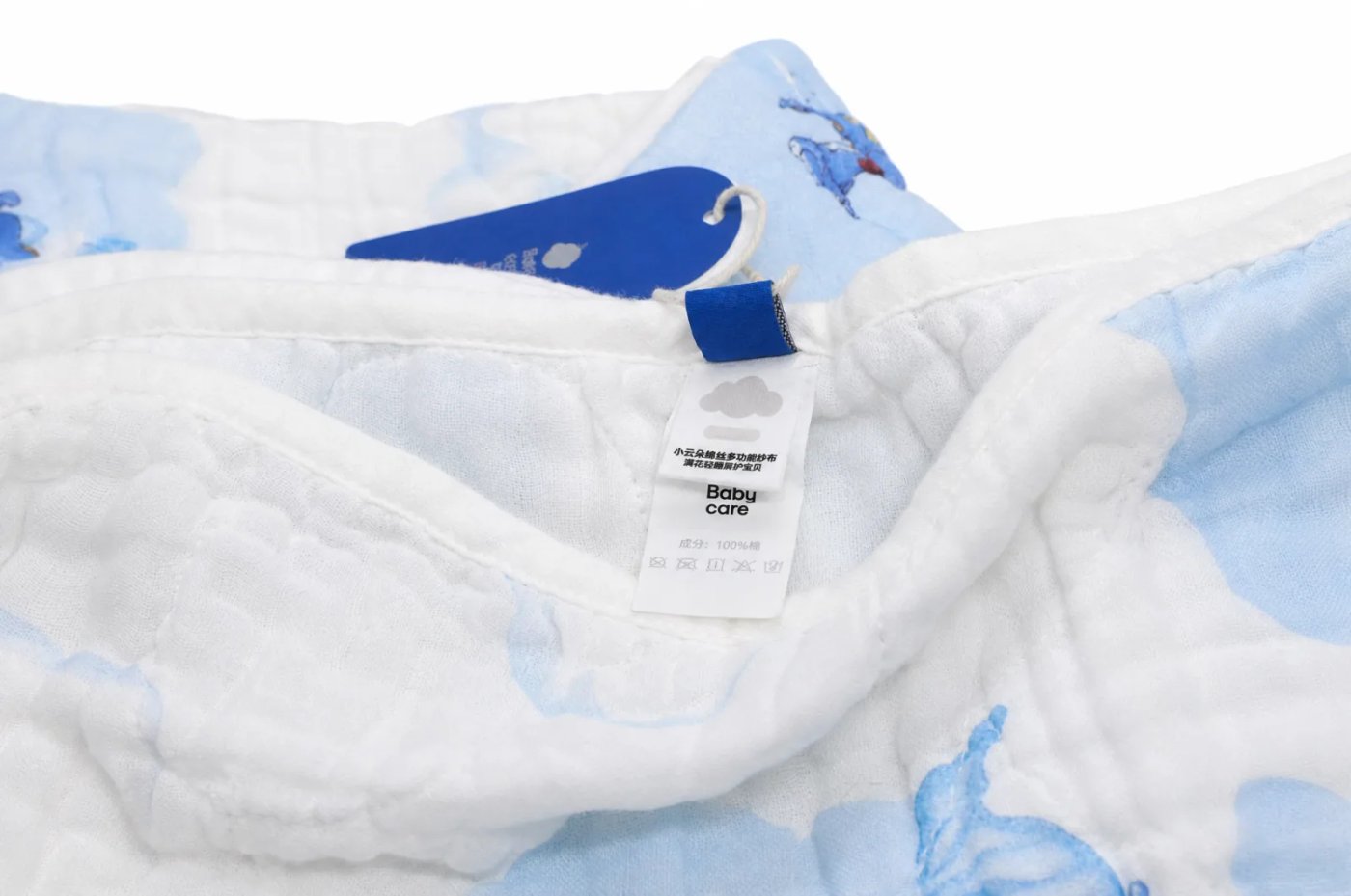
Look at the garment after washing
There is no universal wash count at which baby clothes become unsafe. Use the garment’s own care instructions and check the fit, seams and fasteners after laundering. A damaged closure calls for attention whenever you see it. A garment that has been washed many times can still be usable if it fits, is intact and suits its intended use.
Check the areas that get pulled during dressing
When folding a bodysuit, open and close the fasteners and look at the cloth around them. If a snap moves in the fabric, the fabric starts tearing around it, or a decoration comes loose, set the garment aside. A US Consumer Product Safety Commission recall of certain Alstyle infant bodysuits concerned snaps that could detach. Match the garment to the recall notice if you have that style and follow the stated instructions. CPSC infant bodysuit recall.
Check the inside seams and the openings you stretch when dressing the baby. An ordinary mark on otherwise sound fabric is a different issue from a broken seam or damaged attachment. Check whether the item can still be washed as directed. If you notice a change after an unfamiliar wash or drying process, look at the label before repeating the process.
Tell a wash-related change from a growth spurt
A garment that was always snug and now pulls at the crotch may have been outgrown. Compare it with the manufacturer’s size information and check how it closes without pulling. If the opening or fit changed after laundering, compare it with a similar garment washed as directed, if you have one. Either way, move out of the rotation any item that no longer fits for its intended use.
For sleep, choose clothing intended for sleep and follow its fit guidance. US CPSC guidance gives different provisions for infant garments and tight-fitting sleepwear. Careful washing cannot establish that a daywear item meets the requirements for sleepwear. CPSC guidance on infant garments and tight-fitting sleepwear.
Use the routine you can repeat
Choose everyday baby clothes you can wash and dry according to the label. The American Academy of Pediatrics recommends considering how washable everyday garments are and generally washing baby clothes before they are first used. When an item is new to you, make that first care cycle a chance to check that its shape and closures remain usable. AAP guidance on cleaning baby clothes.
A quick look when folding and a fit check when dressing will usually give you a better answer than a tally of every wash. If the garment came from another family, use the secondhand baby clothes checklist to check the identity, recalls and intended use first.
For apparel brands
For babywear product teams considering an on-garment inspection reminder, see how to test it with caregivers.
Frequently asked questions
Should I replace baby clothes after a fixed number of washes?
No. Check the garment’s fit, seams, closures and intended use. Follow the manufacturer’s guidance and any applicable recall instructions.
When should I stop using a bodysuit with a loose snap?
Set it aside as soon as you notice the loose snap. If it matches a recall, follow the instructions in the notice.