Baby-clothing brands should assess a visual replacement signal through 3 separate checks: post-purchase communication, finished-garment compatibility and safety boundaries. Define the condition parents should review, test the label on the finished garment, and keep care, recall and product-safety information separate.
Start with the parent’s actual decision
Parents need to know what to inspect when a garment has been washed and worn repeatedly. The instruction should name observable signs such as stretched openings, damaged seams, thinning or a closure that no longer works. It should also say when a local repair is reasonable and when the garment should leave use. A colour cue can point to this review; it cannot decide safety on its own.
Define the garment and care route
Give the sample team the fabric, construction, placement constraints, expected wash and drying route, and the intended review or replacement point. Leafclock can discuss a target wash-and-sun-dry or wash-and-tumble-dry cycle range, or a target replacement interval matched to those conditions. Do not print one universal expiry date across different babywear constructions.
Test placement and attachment on the finished garment
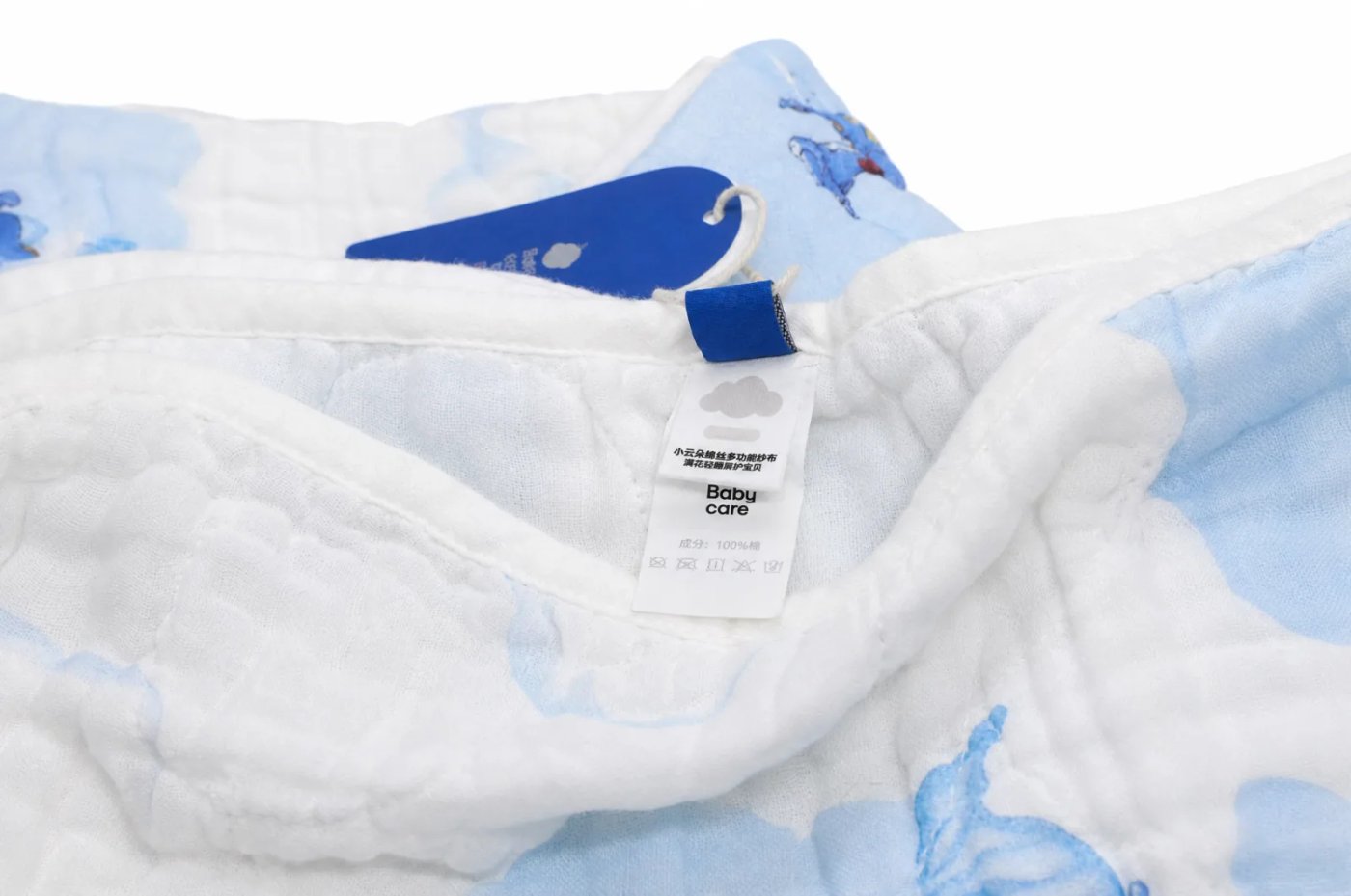
Compare candidate locations for visibility, skin contact, stretch, edge feel and care performance. Check the functional area and reference together after the intended care. If a sewn label creates a rough edge or a transfer lifts, change the construction before changing the customer wording. A functional test and a product-safety review are separate approval steps.
Map pressure and rubbing where the garment contacts the child, including folds, fastenings and resting positions. Compare garments with and without the carrier, then repeat the comfort, attachment and reading checks after care. Separate outgrowing from wear: a garment that no longer fits needs a fit decision even if the cue has not reached its planned stage. Check whether the proposed instruction still works when families rotate several garments daily.
Keep care and product identity accessible
The cue does not detect bacteria, certify cleanliness, measure medical risk or replace a recall check. Keep the ordinary care label, product identity and recall information accessible after the package is discarded. A parent should be able to identify the style, understand the cue and find the support route without an app.
Build the pack and support explanation
Use one image of the actual label configuration and one short action. For example: “Compare the changing area with the reference. When they approach the shown match, check the openings, seams and fabric. Follow the care guide and replace the garment when it no longer meets its intended use.” Test the words with caregivers unfamiliar with the product and record whether they choose the intended action.
First-party application route
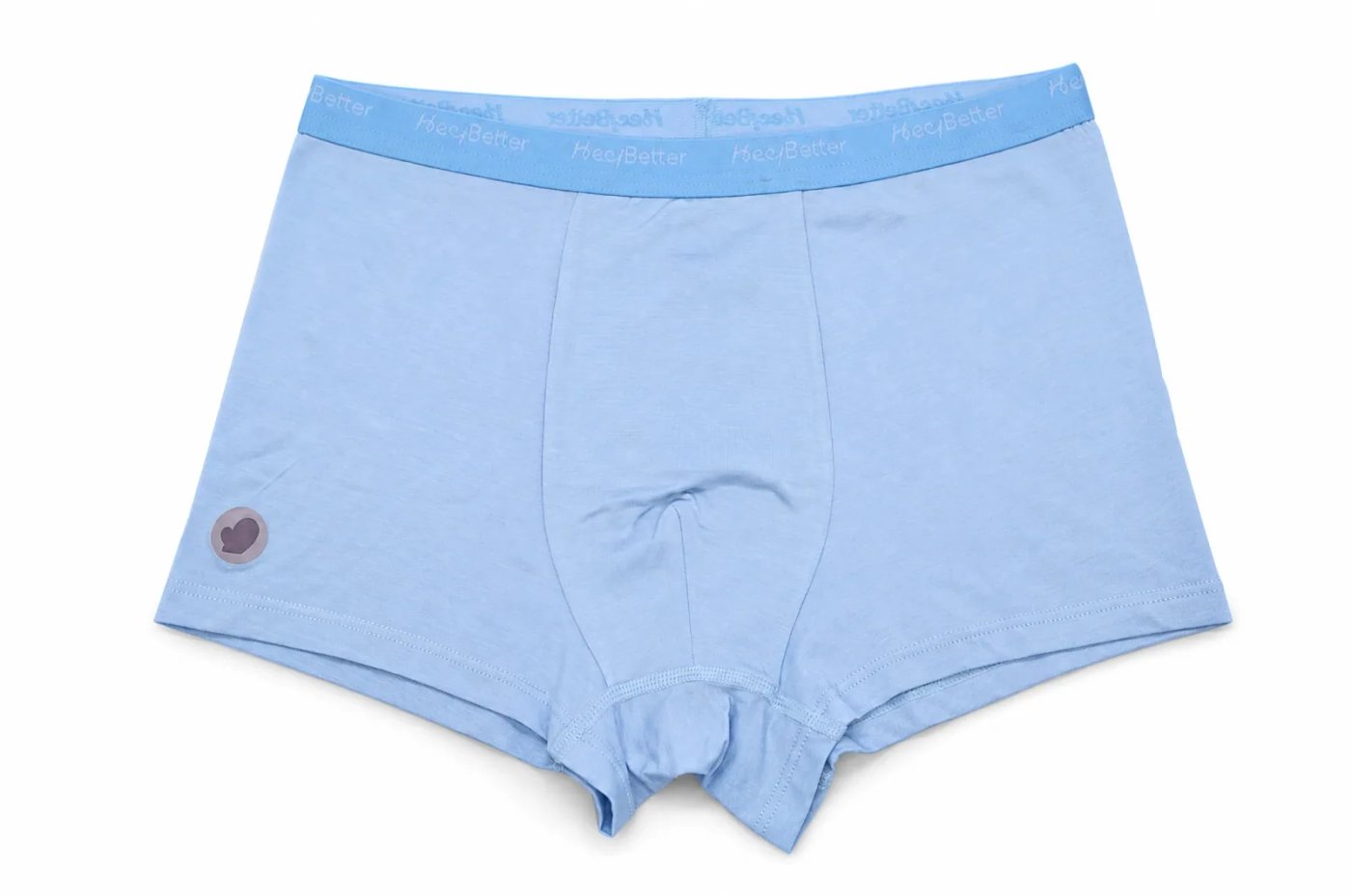
For a proposed printed implementation, show the functional area and reference together on a flat, accessible part of the actual garment. Ask a caregiver to find the comparison during normal dressing or folding and explain the product-specific action. Use the baby-textiles application and sample route to discuss the placement and care conditions; this proposed setup is an evaluation example, not a reported baby-clothing case.
Frequently asked questions
Can a colour cue prove that baby clothing is hygienic?
No. It is a configured lifecycle prompt. Hygiene and safety decisions require the product’s care, construction and applicable safety information.
Should every baby garment use the same replacement interval?
No. Fabric, construction, use, care and intended function can change the appropriate review point.
What should a brand test before launch? Test the finished garment for placement, attachment, readability, care compatibility and whether caregivers understand the next action.
Make five parent decisions easier
Keep five practical answers accessible after the packaging is discarded:
Identity: retain a style or product identifier and support lookup so a caregiver can find product and recall information without the receipt.
Care: show the wash and drying route for this exact garment and provide a durable route to the complete instructions.
Intended use: distinguish daywear from sleepwear and retain applicable fit and warning information. CPSC children’s sleepwear guidance explains why the garment’s intended use and classification matter.
Fit and wear: distinguish a child outgrowing the garment from thinning, damaged seams or a failed fastening; direct the caregiver to the appropriate fit or condition decision.
Loose or damaged component: set the garment aside and contact support before continued use; use the identifier to check relevant recall information.
Where the product has an agreed replacement configuration, a concise instruction can be: “When the changing area reaches the reference shown, replace this item as directed in its product guide.” Test that caregivers recognise the comparison and action. The benefit is a clear ownership instruction, not an inferred universal babywear lifetime.
Keep the brand benefit concrete
A visible cue can extend the brand’s communication into repeated ownership: it gives caregivers a defined replacement point and gives the product team a testable way to explain care, condition and reasonable replacement. Use the baby-textiles application, customization discussion and sample box with the finished garment.
Discuss the finished product through customization and request a sample box to evaluate the proposed carrier, care route and intended action.