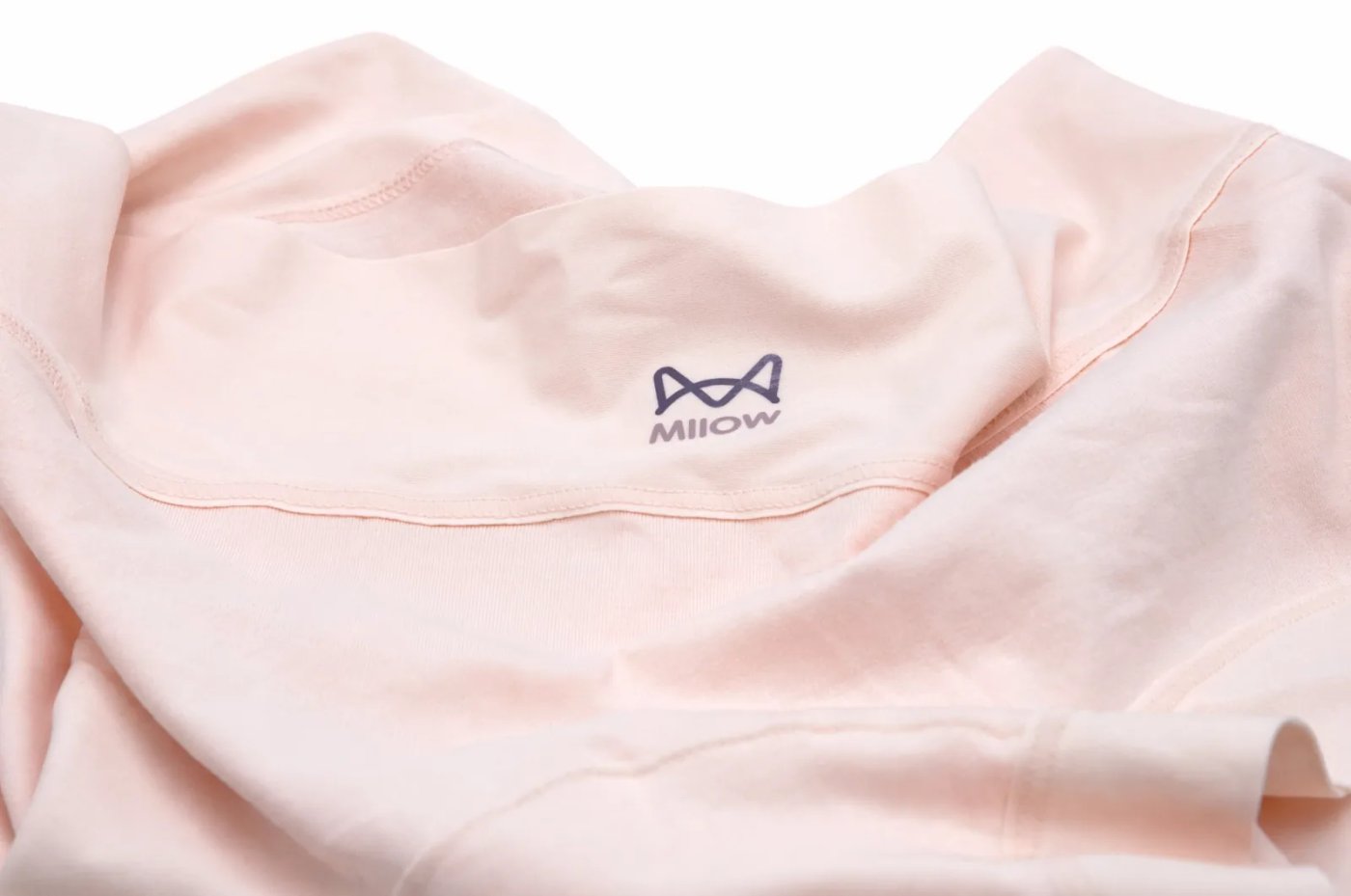
Give the factory 4 things before it applies a color-changing wash label. Identify the garment revision, label configuration and point of application, then specify the release checks. Include a placement drawing and a physical reference for the approved appearance. Assign someone to resolve any difference the operator finds.
Hand over one brief that the factory can build from
| Field | What to send |
|---|---|
| Garment | Style and revision, fabric and finish, stretch direction, seam or panel where the label will sit |
| Label | Supplier part and revision, carrier, dimensions, approved artwork and the functional and reference areas |
| Application | Intended station, placement orientation, supplier instructions for the selected configuration and first article owner |
| Review | Approved sample, care route, appearance and attachment checks, person who accepts the run |
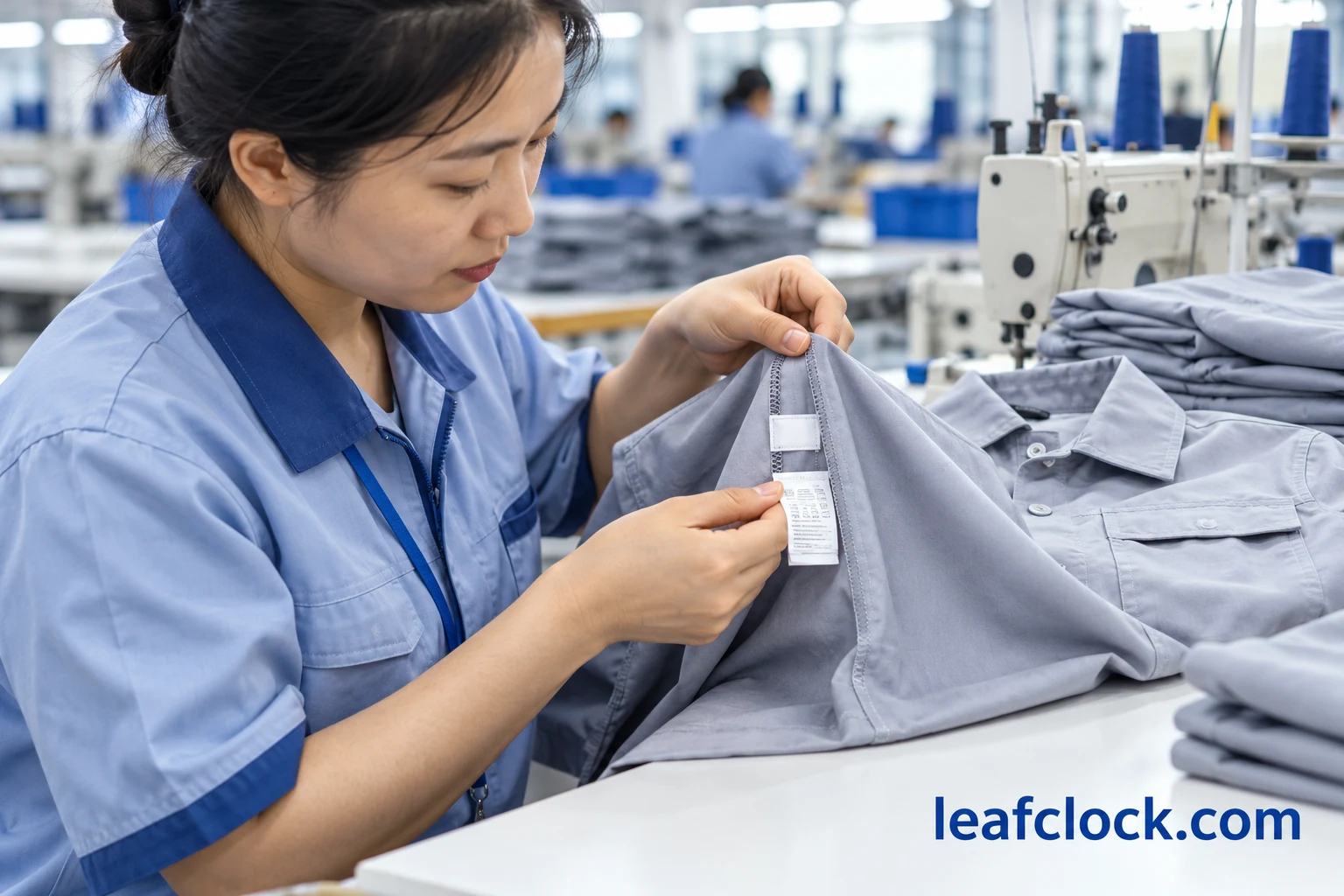
Use a drawing that shows the placement relative to a seam or edge. Include a photo of how the finished garment opens so the operator can see whether the intended areas are accessible. For a heat transfer, record the agreed settings for the exact fabric and configuration. For a sewn carrier, specify which edge is caught in the seam, how the label folds and which face remains visible.
Tell the factory which cue was approved. Leafclock can configure a label for target wash-and-sun-dry or wash-and-tumble-dry cycles or a replacement interval under the intended use conditions. Supply the correct model image and avoid applying a label from another programme simply because the graphics look similar.
Set inspection points at receipt, application and after care
Check incoming labels against the part number and starting appearance. Store them away from light before use. At the first garment, check alignment, visibility and the condition of the fabric. Inspect transfer edges and distortion, or check the stitches, folds and seam feel for a sewn carrier. Review the actual garment again after the agreed care route. If you specify a domestic textile test, record the selected wash and dry procedures. ISO 6330

Review required care and composition information separately from the cue. On covered U.S. garments, the FTC care rule requires manufacturers or importers to provide care instructions under the applicable conditions. Keep any required instructions readable and available in the applicable format. FTC care-label guidance
Tell the line what to do when something changes
Pause approval if the garment finish, label part, position, artwork or application process differs from the brief. Save the affected sample and record the difference. Have quality review what must be repeated before another article is made. If a new fold hides the reference, the sample needs a reading check even if the stitches are sound.
Give the line and sourcing team the same approved revision and the named person who can accept changes. For carrier selection, use the sewn versus transfer comparison. For the first sample, share the garment and proposed care route.
Build a first-article handoff packet
The factory should be able to match the brief to one physical sample. Package the placement drawing, label reference, garment revision and application instructions together. A photograph is useful for orientation, while the drawing provides the agreed position and dimensions. If a dimension or setting is still undecided, keep the packet at trial status and resolve it with the relevant supplier before production approval.
Use a short sign-off sheet with separate responsibilities:
| Review point | Suggested owner | Record before release |
|---|---|---|
| Incoming label identity | Materials or quality team | Part number, revision, artwork and reference match |
| First installed garment | Factory quality reviewer | Placement, attachment, fabric appearance and access to both reading areas |
| Care comparison | Product or test reviewer | Method, observation stage and the sample revision examined |
| Reading instruction | Brand product or customer-support team | The intended action and the instruction supplied with the garment |
| Run approval | Named production approver | Accepted sample revision and any unresolved hold points |
For example, a sewing operator may find that the specified fold hides the reference area. Keep that sample with the discrepancy note and return it to the named approver. Once the team agrees a revised fold, update the drawing and approved sample together. A verbal change on the line leaves the next shift without a dependable reference.
Download the evaluation log for the care observations. Keep the first-article sign-off with the production packet so a later change in fabric finish, label revision or placement can be traced to the right decision.
Set the question the factory sample must answer
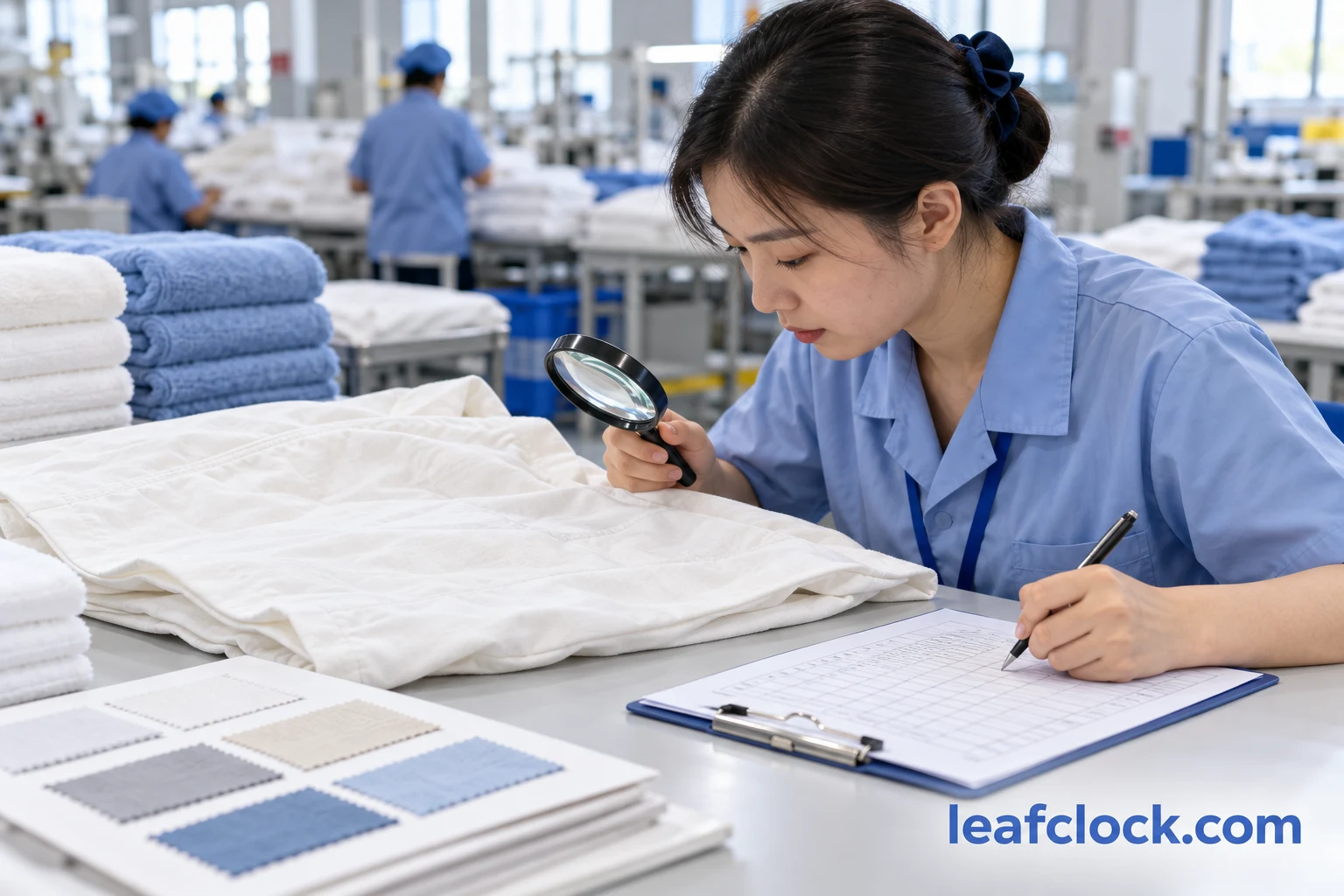
Include a short evaluation brief in the factory handoff. Describe the wearer action, the actual care conditions and the result that would prompt a change, supported by an approved reference sample and one shared record for comments and decisions.
See Leafclock textile label options for the product context.
Frequently asked questions
Should the factory get approved artwork before the garment revision is fixed?
No. Use draft artwork for discussion. Issue the approved artwork to production with the exact garment revision and placement drawing.
What change should stop approval of the first article?
Stop when the carrier, garment fabric, process, position or artwork differs from the approved brief and its effect has not been reviewed.