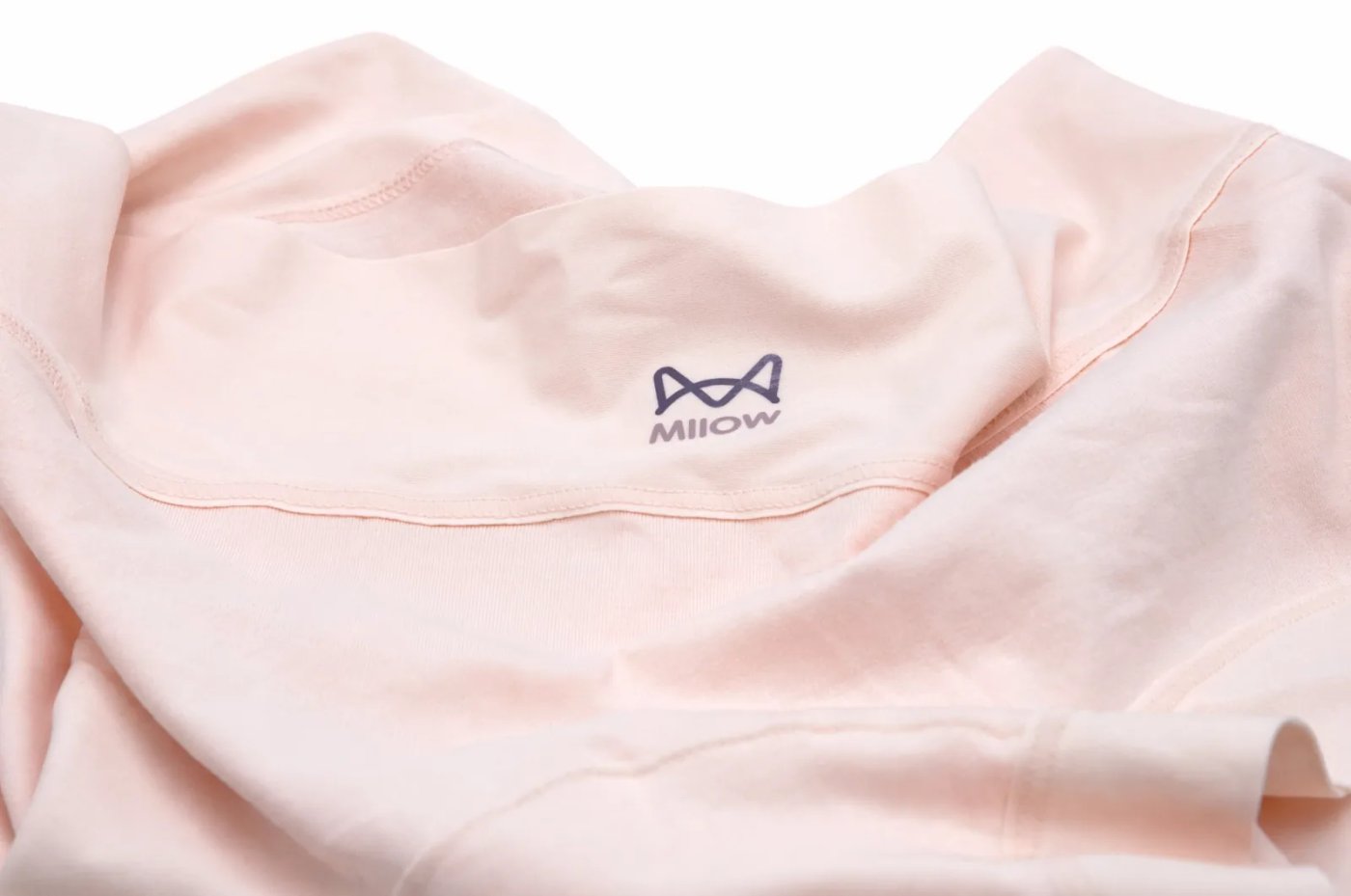
Start with 1 representative product and approve the indicator on the finished garment before extending it across a textile line. Set the wearer’s action and care route first. Then approve the installed sample, production instructions and customer explanation together. Review changes in fabric, placement or care before carrying the approval to another SKU.
Choose a product and an action before choosing artwork
Name the product, intended user and action the cue should prompt. In intimate apparel, the action might be to inspect elastic or seams. For a towel line, the brand might choose an inspection after repeated care and give instructions that account for different drying habits. Select a product whose care route is defined well enough for quality to reproduce it on a sample.
Leafclock can configure an indicator for wash-and-sun-dry or wash-and-tumble-dry targets, or an intended replacement interval under the use and care conditions. Share the expected frequency and exposure. Decide which carrier to try on the actual fabric and position. For a separate carrier decision, use the comparison of sewn labels and transfers.
Give each approval an owner
| Approval | Owner and deliverable |
|---|---|
| Product decision | Product team defines the SKU, care route, target stage and wearer action. |
| Installed sample | Quality checks attachment, fabric response, readability and the cue progression. |
| First production article | Factory verifies approved label, position, application process and actual care information. |
| Customer explanation and rollout | Brand checks instructions on the actual garment and releases only approved versions. |
Plan the domestic sample care using the selected wash and dry methods. Record any separate exposure and the observation points. Retain a new reference and check the functional area, reference, attachment and surrounding fabric after care. ISO 6330
Keep production and care information aligned
Use an approved drawing, sample and factory brief. Verify that the actual garment carries the required care information in the proper format for its destination. For covered U.S. products, the FTC provides guidance on the instructions, their basis and attachment. Give the optional cue a distinct location or caption if readers could confuse it with a care symbol. FTC guidance
Hand a sample and the proposed customer instruction to someone who has not seen the project. Ask where they would look and what they would do. If they can see the changing area but cannot find the reference, correct the placement or artwork. If they interpret the cue as a wash counter, revise the explanation before rollout.
Expand the line only after checking what varies
A second color on the same fabric can change contrast. A new waistband finish can affect attachment. A product that goes through a tumble dryer instead of sun drying changes the intended configuration. Put these checks into the SKU approval record and assign a reviewer to any proposed substitution. If a change affects a requirement, repeat the relevant part of the sample review.
Start your sample request with the textile, care routine, expected frequency and target cue for the first garment.
Compare sewn and heat-transfer integration
| Decision factor | Sewn carrier | Heat transfer |
|---|---|---|
| Placement | Accessible seam; check edge feel, folding and orientation. | Reachable flat surface; check stretch, edge lift and surface appearance. |
| Factory station | Insert while the relevant seam is open, then verify after closure. | Apply at the station that can reach the approved surface, then inspect after pressing/finishing. |
| Shared approval | Attachment, readability and configured cue on the finished garment. | Attachment, readability and configured cue on the finished garment. |
Map the station sequence and first article
For a sewn carrier, record which seam is open, which side faces the wearer and how the seam closes around the carrier. For a transfer, record the approved surface and application instruction without assuming an untested setting. Make one first article with the actual fabric, thread or finish, then inspect it after later seams, pressing and finishing. Incoming labels and unused samples should remain protected under the agreed storage conditions before installation.
Run the installed sample through the intended care route. Record attachment, edge feel, readability and whether the functional/reference areas still communicate the configured inspection or replacement action. Keep this log with the approved version so a later SKU or station change can be compared against the same checks.
Frequently asked questions
Can we reuse an approved label across every SKU in a collection?
Only after checking that the material, placement, care route, target and customer instruction remain compatible. Evaluate changed constructions before release.
Does the replacement cue take the place of required care information?
No. Approve required care and other disclosures under the applicable rules and give the optional cue a distinct place and message.
For product fit, review Leafclock applications, then send the product and care brief through customization and request a sample box.