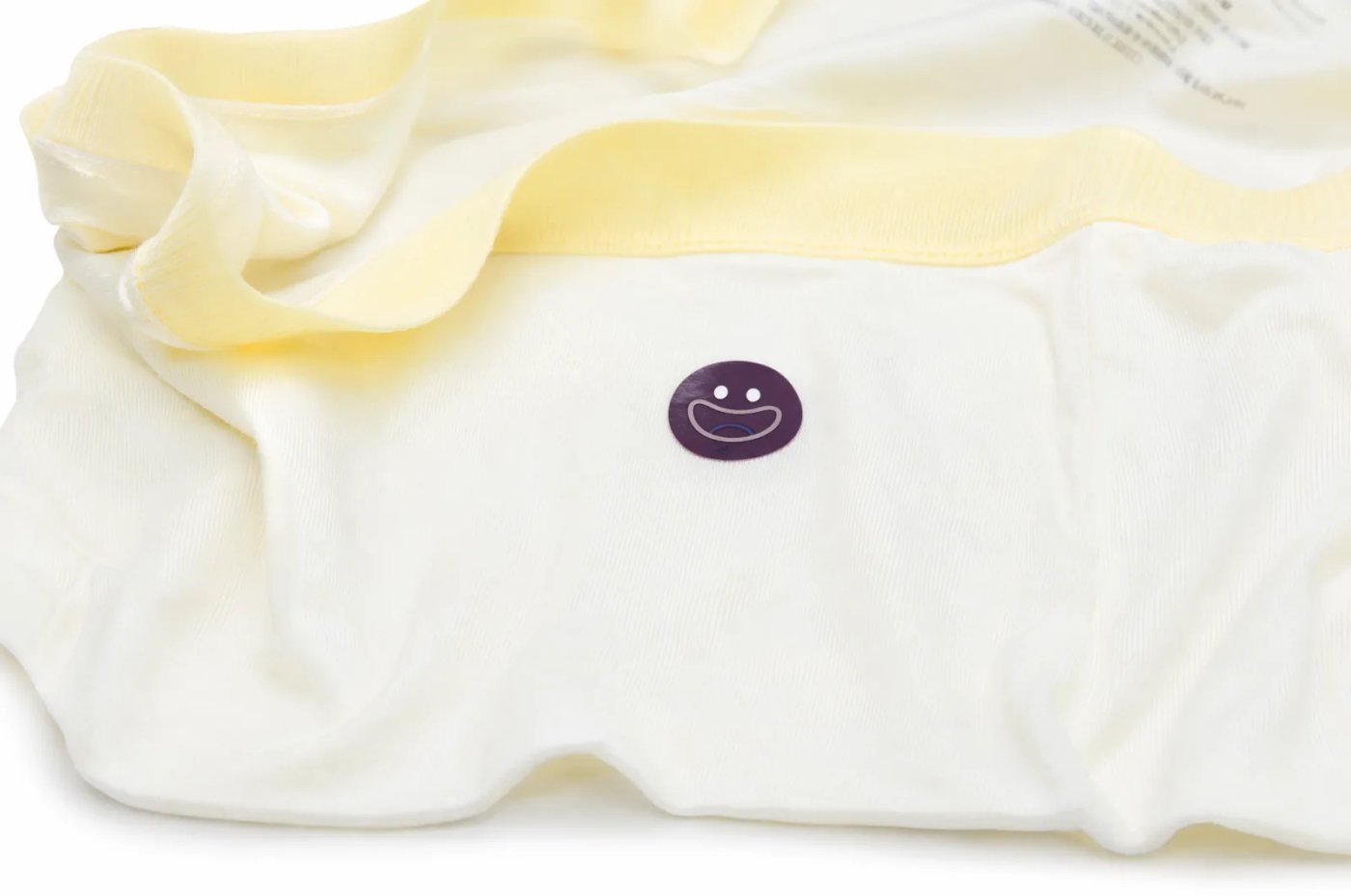
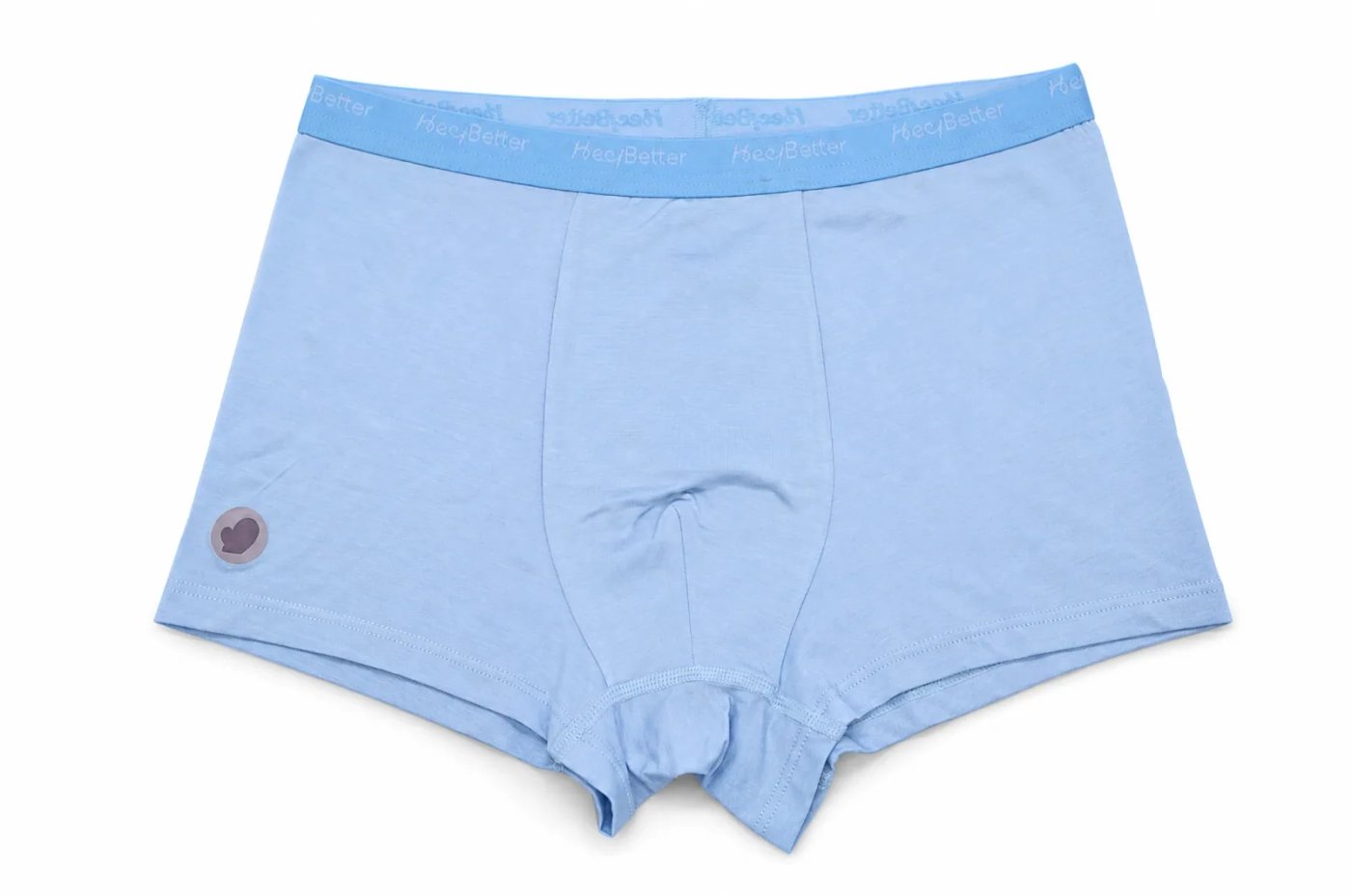
Set an underwear replacement or inspection target from the product brief, intended care route, fit and materials. Use the replacement point when the brand has defined one; use an intermediate inspection when the wearer must check recovery, seams or fit before deciding what to do next.
Choose the check or replacement action for this product
For a stretch brief, consider waistband recovery, leg opening shape or seam condition. For a style with a fastening, confirm it stays secure under intended use. Give quality staff an agreed reference for unacceptable change and record why that change matters. The H&M Group Circulator Guide gives examples of inspecting stress points and testing garments under real wear conditions. Use the actual construction of your style to choose the check.
Match the trial to the way the style is cared for
Describe how often it is likely to be worn and washed, its permitted wash method and the usual drying route. A pair in a large household rotation may go through fewer washes over the same calendar period than a regularly worn pair. Test the main routine and, where it is relevant and permitted, a second routine with a different drying method. At each planned check, record the condition of the waistband, seams and fabric and the observed label state.
We can configure Leafclock for a target number of wash-and-sun-dry or wash-and-tumble-dry cycles, or for an intended replacement interval. Give us the care conditions and desired action along with the target. A wearer compares the changing area with its reference, then follows the instruction the brand provides. Keep the label observation separate from the garment’s stretch or damage result.
Use demonstration results to plan, then evaluate your own sample
An existing Leafclock demonstration ran for 30 cycles, each combining its stated wash procedure with 20 minutes of light ageing. The sample images show how the colour reference can be compared as the demonstration progresses. The exposure is specific to that demonstration. Use the Leafclock validation approach to plan observations under the actual care routine of your finished garment.
At sample review, ask whether the cue reaches the intended replacement or inspection stage and whether wearers understand the configured action. Inspect visible defects whenever they appear. Compare the cue across expected care routines, and review the target after a change to fabric, elastic, colour or drying method.
Bring the product, intended replacement or inspection action and relevant care routine to sample evaluation. The output should be a clear product instruction and a target evaluated on the garment the team intends to sell.
Use the intended replacement point or an intermediate inspection
Use the intended replacement point when the product brief defines replacement at the cue; use an intermediate inspection when the wearer must check fit, recovery or seam condition before deciding. The 30-cycle, 20-minute demonstration is one example, not a universal underwear limit.
Frequently asked questions
Can we set a target using a calendar interval?
Yes. Give the intended interval together with typical wear frequency, washing and drying. Review the response on samples under those conditions.
Is the 30-cycle demonstration a standard for underwear?
No. It shows one wash-and-light-ageing demonstration. Choose the target and evaluation routine for the specific underwear style.