Give customers 2 product-specific replacement instructions: check towel absorbency and condition after approved care, and check bedding fit, closures, elastic and seams. Put the action on the package and product page. A configured on-product cue keeps the brand’s replacement reminder visible during use, including after the packaging has been discarded.
Why one replacement message fails
A towel and a fitted sheet do different jobs, so the customer needs different evidence before replacing either one. A towel must still absorb and feel usable after washing. A fitted sheet must fit the mattress, stay in place and keep its elastic and seams intact. A duvet cover must hold the insert and keep its closure attached. “Replace after X months” hides these differences and can make a sound product look overdue or a failing product look acceptable.
Start with the product’s normal care instructions. The instruction should state the approved wash and drying route, while the replacement guide explains what to inspect after that route. If the care page and package disagree, the customer cannot tell whether a change comes from the product, the laundry routine or a misunderstanding.
Write a towel check around performance
For a towel, put the performance check first. Tell the customer what to do after the towel has been washed and dried according to its own instructions. Ask whether it still performs its normal drying job, whether the pile has become broadly thin or damaged, and whether the hems and loops remain secure. A loose edge in otherwise sound fabric may be repairable; widespread thinning or a towel that no longer serves its intended use is a different replacement decision.
A product-specific care instruction can change what the customer expects. IKEA’s GULVIAL bath sheet, for example, says it reaches full absorbency after one wash. IKEA’s VÅGSJÖN page warns that fabric softener may decrease absorbency for that product. These are manufacturer instructions for named towels, not universal rules for every home textile. Your brand should use the care and performance evidence for the towel it sells.
A useful customer-facing example is: “Wash and dry the towel as instructed. If it still dries poorly, check the pile, loops and hems. Repair a local fault where practical; replace the towel when it no longer performs its intended job.” Mark this as an example in the style guide, then adapt the wording to the actual towel and care route.
Write a bedding check around fit and integrity
For fitted sheets, tell the customer to check the mattress dimensions and any topper before treating slipping as wear. If the sheet never fitted, the problem may be size or mattress depth. If it fitted previously and now comes loose, inspect the elastic, corners and seams. IKEA’s DVALA fitted-sheet specification states a maximum mattress thickness and uses elastic edging; a replacement guide can direct customers to compare their mattress with the product specification before judging the elastic.
For duvet covers, check whether the fastening keeps the insert in place and whether the fabric around the opening is tearing. A missing button may be a small repair. Repeated tearing around the closure or broad fabric damage may require replacement. For flat sheets and pillowcases, show the areas that carry tension or repeated rubbing, and say what a repairable seam looks like. Keep changing bedding cleanly separate from deciding whether the current item is still fit for use.
A customer-facing example is: “Check the stated mattress fit first. If the sheet used to stay in place, inspect the elastic, corners and seams. Repair a local opening if the surrounding fabric is sound; replace the sheet when it no longer stays secure or the fabric cannot hold a repair.”
Put the message where it will be used
The package is useful at purchase, but customers may discard it. Repeat the same short action on the product page, care page and support response. Use a photograph or diagram of the actual towel pile, hem, sheet corner or closure rather than a generic textile image. A retailer or care team should be able to answer three questions: what should the customer check, what can be repaired, and when is replacement reasonable?
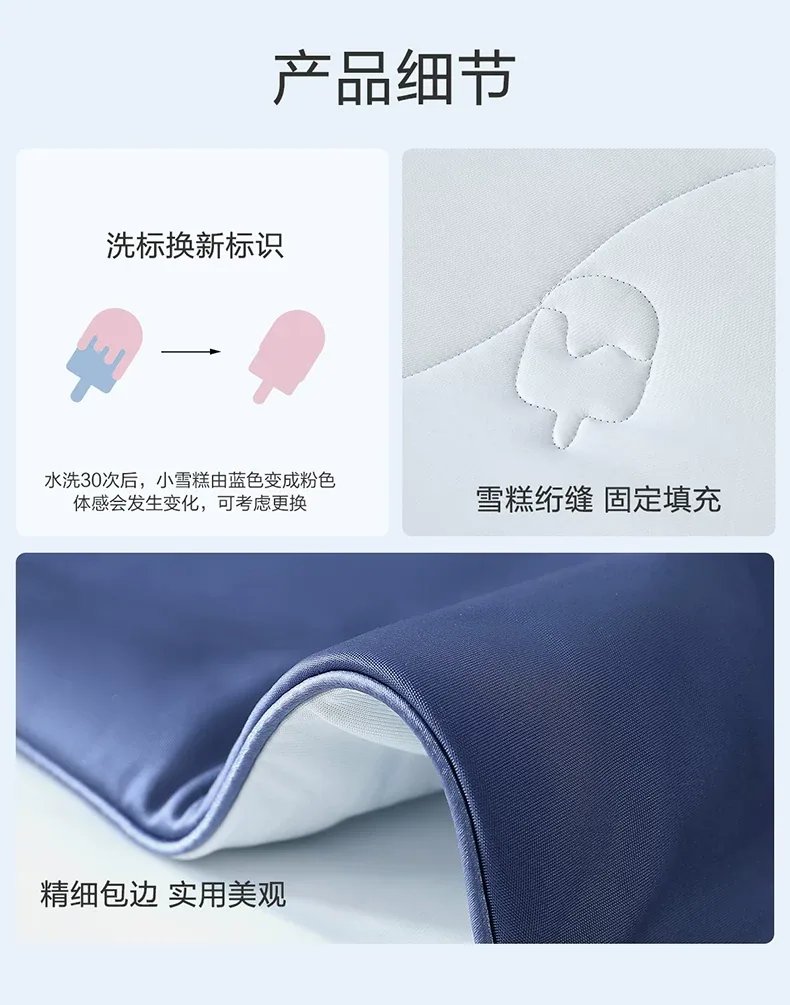
Do not make the visual cue carry the care instruction. If a brand has a defined inspection point and a consistent use routine, Leafclock can add a visible prompt to the textile. The functional area changes gradually and is read against its reference area. The configuration can target wash-and-sun-dry cycles, wash-and-tumble-dry cycles or an intended replacement interval, using the product’s expected use and care conditions. Give customers the replacement or inspection action selected for that configuration, alongside the ordinary care directions.
For a towel, the instruction beside the cue might say, “Compare the changing area with the reference. When they approach the same colour, check absorbency, pile and hems.” For a fitted sheet, it might say, “Compare the changing area with the reference. When they approach the same colour, check the corners, elastic and fit.” These are examples, not universal replacement triggers. Evaluate the cue on the finished textile and keep ordinary care directions separate.
Choose the tool for the operating task
A hotel or laundry programme may need more than customer wording. Give each tool one job: care instructions explain the routine; a visual cue prompts a condition check; a reference towel supports performance comparison; and an event record shows who checked what, when and where it went. Record the style or batch, care route, date, person, observation and action. GS1 EPCIS is a reference for event information; use maintainable detail.
Use a product instruction and observation template
| Field | Fill in for this product |
|---|---|
| Style and construction | Product code, fabric, size and label position |
| Approved care | Wash and drying instructions |
| Configured target | Target wash/dry cycles or replacement interval, with expected usage |
| Customer instruction | Compare [functional area] with [reference]; at [shown state], [chosen replacement or inspection action] |
| Observation | Cue appearance, towel performance or bedding fit, and any repairable damage |
| Decision and owner | Continue, repair or replace; date and responsible customer-support or facility role |
For a towel comparison, use a sound reference towel of the same style under the same absorbency check. Compare feel only after both towels are fully dry. In a hotel or laundry programme, name the person who can hold an item for review or approve reissue; record the observation and action separately from the visible cue.
Connect the feature to a measurable brand decision
A visible reminder gives the brand an enduring product feature and customers a clear next action. During a sample trial, observe whether people find the functional and reference areas, understand the instruction and distinguish a care problem from a replacement decision. Use their questions to improve the wording and placement.
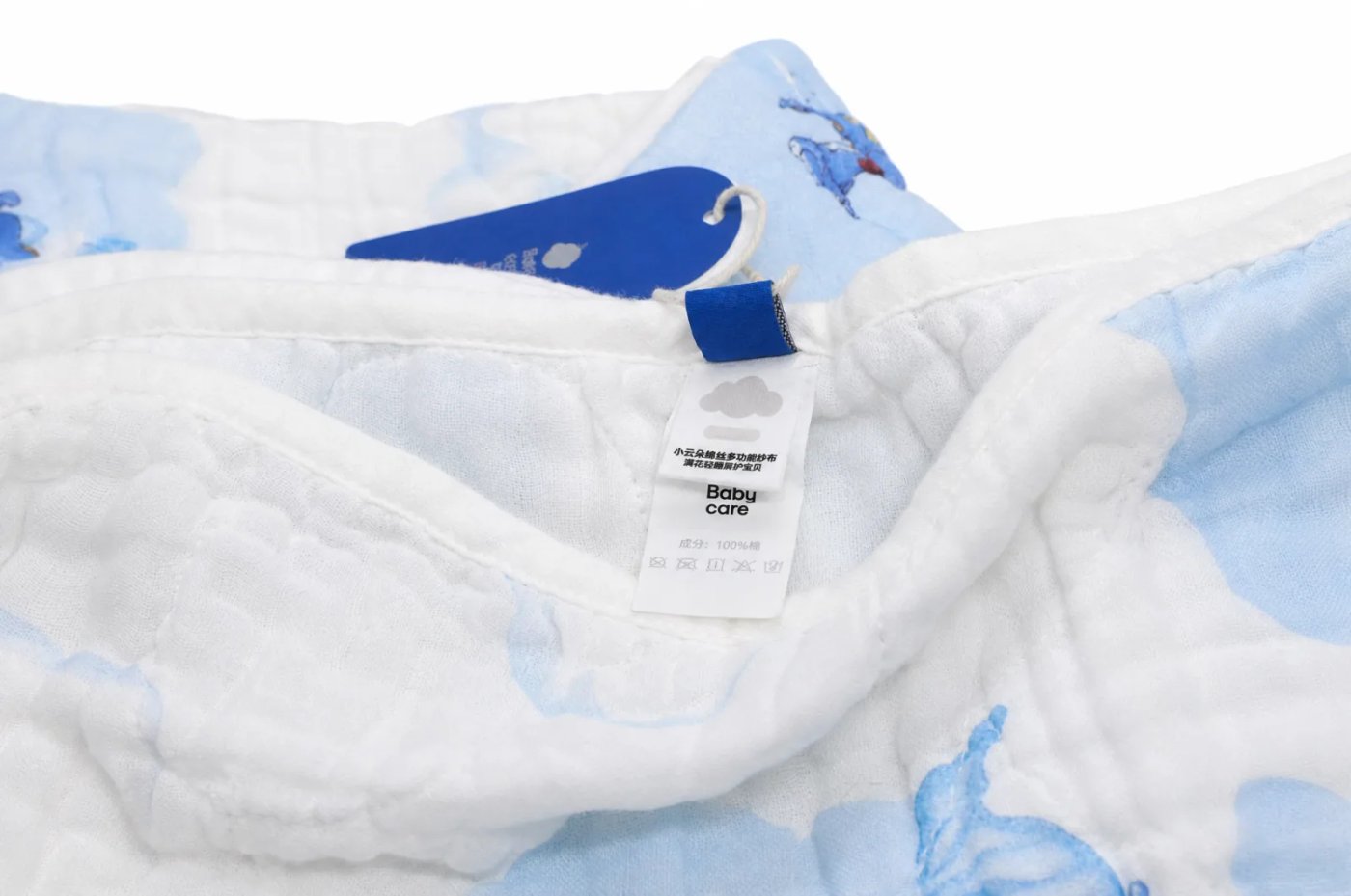
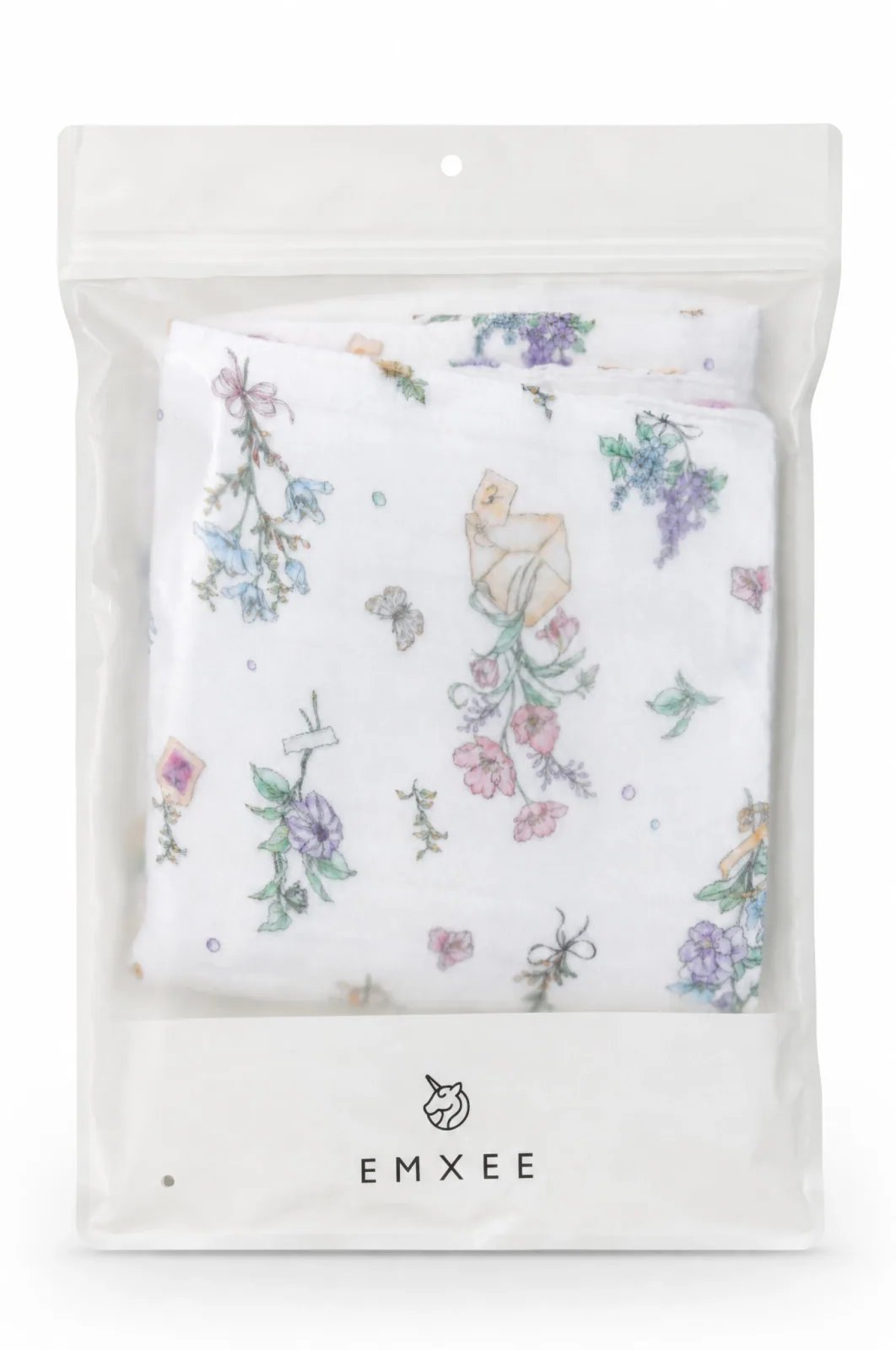
EMXEE’s gauze towel carries a crown-shaped cue on a white tab sewn into its bound edge. Its instruction recommends a new towel when the crown turns pale pink. The tab remains easy to find when a caregiver unfolds or puts away the towel, after the retail pouch is gone. That combination of placement, distinctive artwork and a short action makes the replacement feature usable. EMXEE gauze towel example
A practical rollout has four steps: define the towel or bedding condition the customer should inspect; align the package, product page and care instructions; test the wording and cue on the finished product; then review questions and observed actions before expanding to another style. The home textiles application explains the category context, the Sample Box gives teams a route to evaluate label behaviour and readability under their own conditions, and the customization page explains the configuration discussion.
The result is clearer replacement communication: the customer receives a product-specific check, the brand has a visible post-purchase feature where it adds value, and a replacement or repair decision remains tied to the textile’s actual job.
Frequently asked questions
Should every towel use the same replacement wording?
No. Use the towel’s own care route and performance check. Absorbency, pile, loops and hems may matter differently across constructions.
Should a fitted sheet be replaced as soon as it slips?
No. Check mattress depth and any topper first. If the sheet fitted before, inspect the elastic, corners and seams before deciding whether repair or replacement is appropriate.
Can a Leafclock cue tell a customer that a towel is dry?
No. Dryness belongs in the care instructions. The cue can prompt the separate product-stage check it was configured to show.
What should a brand bring to a sample discussion?
Bring the representative textile, normal wash and drying routine, intended inspection point, preferred placement and the customer action you want the cue to prompt.