Home textile brands can differentiate by improving a task customers already face after purchase. Help a towel buyer restore or assess drying performance, and help a bedding buyer choose a sheet that stays on the mattress. Compare a product change, better care support and a visible cue before deciding which feature to add.
Why familiar specifications stop doing all the work
Thread count, GSM, fibre composition and colour remain relevant buying information. They do not by themselves tell an owner what to do after repeated washing and use. Certifications may establish a material or process requirement, but a certificate is not a replacement instruction. When products look similar on a shelf or product page, the brand needs a reason to remain useful at home.
That reason must survive the sale. A towel may be shared, washed often and dried in different ways. Bedding may rotate between people and seasons. The customer cannot be expected to remember a generic “replace regularly” promise. A differentiated product explains its own care and next decision.
Choose a functional difference with a clear user action
Ask three questions before adding a feature:
- What uncertainty does the customer have after purchase?
- What can the product show without a separate device?
- What action should the customer take when the signal changes?
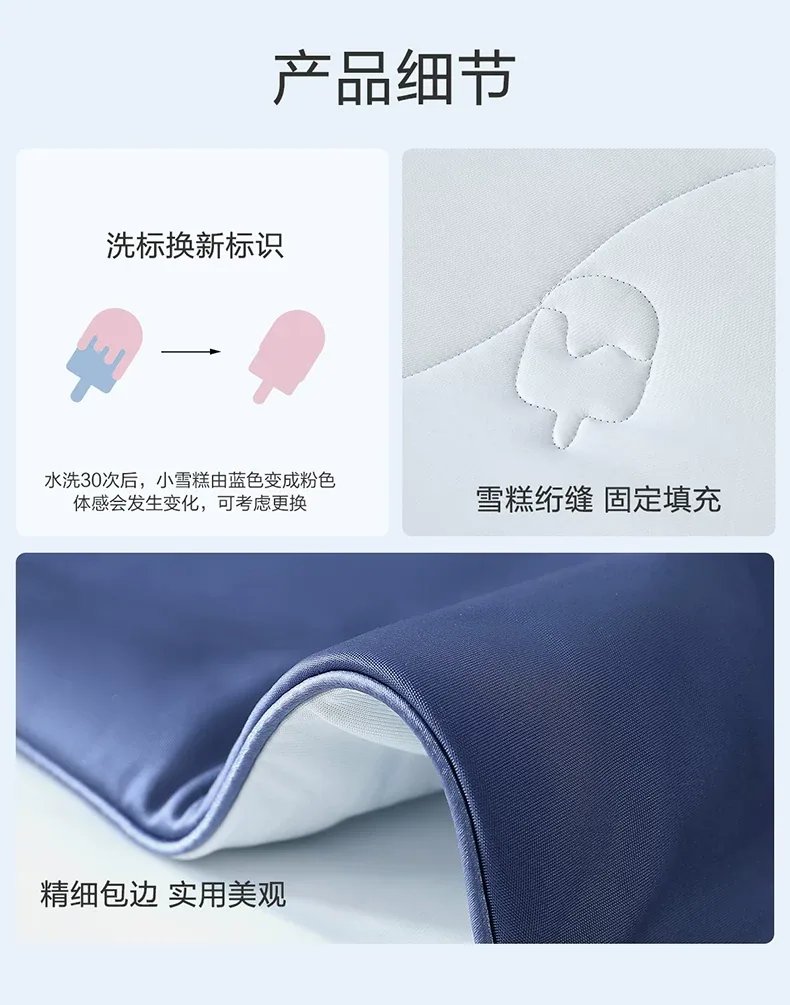
Leafclock is one physical option. The functional area changes gradually and is compared with a reference area. A home-textile brand can discuss a target number of wash-and-sun-dry or wash-and-tumble-dry cycles, or an intended replacement interval, then match the configuration to frequency, washing, drying and environment. The care card must explain the comparison and the next action.
Compare three differentiation routes
Specification-led: highlight fibre, construction, weight or hand feel. This helps a shopper compare quality, but competitors may offer similar numbers.
Service-led: add repair, take-back, care education or replacement support. This can be valuable, but the customer must find and use the service.
Product-cue-led: put a visible lifecycle cue on the item. It remains with the product and can make a later decision easier. It does not create customer data or replace a service process.
The routes can work together. A physical cue should not be sold as a substitute for good construction, accurate care text or customer service.
Give towels and bedding different reasons to choose the product
A bath towel buyer can compare hand feel and weight at purchase, then needs help if it stops drying well. Start with a care explanation and a recheck after the next suitable wash. IKEA’s BROKGINST care instructions warn that fabric softener can reduce absorbency; follow the instructions for the exact towel and test it after a properly dried wash.
A fitted-sheet buyer wants the corners to stay on the mattress. Publish the mattress depth and show how to include a topper when checking fit. If the sheet used to stay in place, help the buyer distinguish weak elastic from a seam that can be repaired. A sizing tool helps a first purchase. A care or inspection cue helps later, after the owner can tell that the fit has changed.
Make the feature credible
Use a product-specific brief: category, fibre and construction, expected frequency, care route, placement and target replacement point. Show the user what the functional area and reference area look like in the actual product. Define what happens at the shown state: inspect, repair, replace or seek support.
Give buyers advice they can apply to the product they are holding. State the care, comparison and replacement limits once, then explain what the cue can and cannot communicate. A physical cue is not an automatic hygiene assessment, an exact wash counter, a digital message or a guarantee that the towel has a fixed life.
A practical home-textile pilot
Choose one towel or bedding product and one customer explanation. Test placement after laundering, colour readability, care-copy comprehension and the action customers choose. Ask retail and support teams whether the feature answers a real question or merely adds decoration. Compare the pilot with the previous explanation before expanding to other categories.
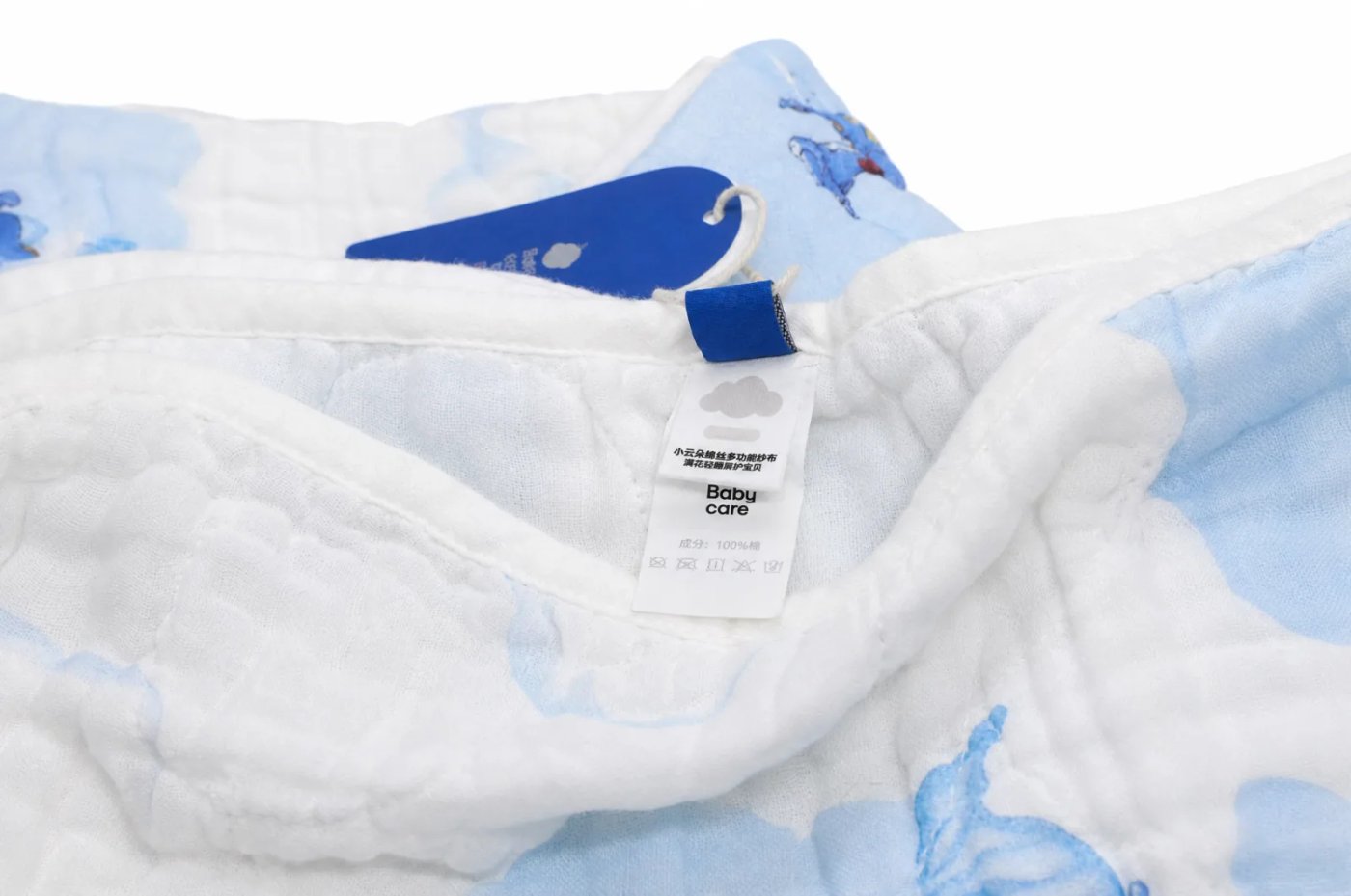
This label shows the replacement point designed for this product; follow its care and replacement instructions.
Lead with the customer action: “This product shows when to check its replacement guidance.” Then explain the care route and the comparison method. Do not lead with “smart,” “revolutionary” or an unsupported hygiene promise. A buyer should understand the feature in one glance and know where to ask a product question.
Frequently asked questions
Is a lifecycle cue a hygiene test for towels or bedding?
No. It is a configured lifecycle prompt, not a microbiological or medical test.
Can a brand use the same target for every home textile?
No. Frequency, washing, drying, environment and intended use can change the suitable target.
Does a physical cue replace care instructions?
No. It complements care instructions by making one later decision more visible.
How should a home-textile brand begin?
Choose one product and share its care route, expected use and target replacement point through the Leafclock sample box.
Try one feature before adding it across the range
Compare a towel or bedding sample with the current product and observe whether customers can make the intended choice. See the home textile care and replacement guide for product-specific instructions, and use the sample request when a physical cue adds a useful step.