Choose a 3–4-use default for bath towels and about 2 days for hand or dish towels, sooner when damp, soiled or used after exercise. Follow the care label, measure detergent, skip routine softener when absorbency matters, and dry towels fully with airflow or permitted low heat.
Set the right washing frequency
The American Cleaning Institute guidance reproduced by Utah State University Extension places bath towels at every three to four uses and hand and dish towels at every two days. A towel that stays damp, is used after exercise or touches food needs a shorter interval. Utah State University Extension
Hang a towel spread out on a rack or bar after each use. A crumpled towel in a hamper stays wet longer, so the laundry interval should follow the towel’s drying conditions rather than an arbitrary number alone. Wash swim and gym towels after each use, and launder any towel with visible soil or a persistent odour promptly.
How to machine-wash towels
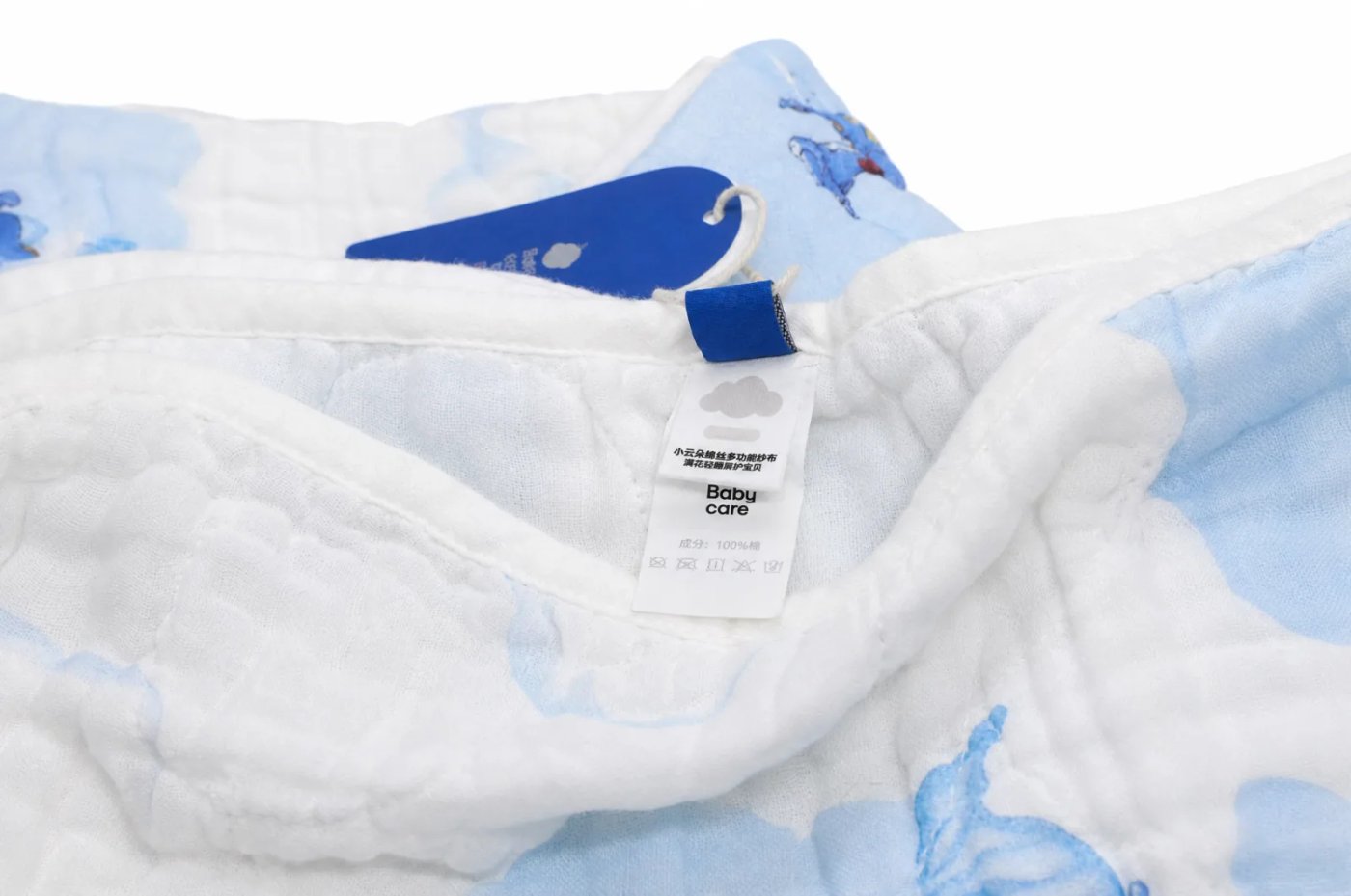
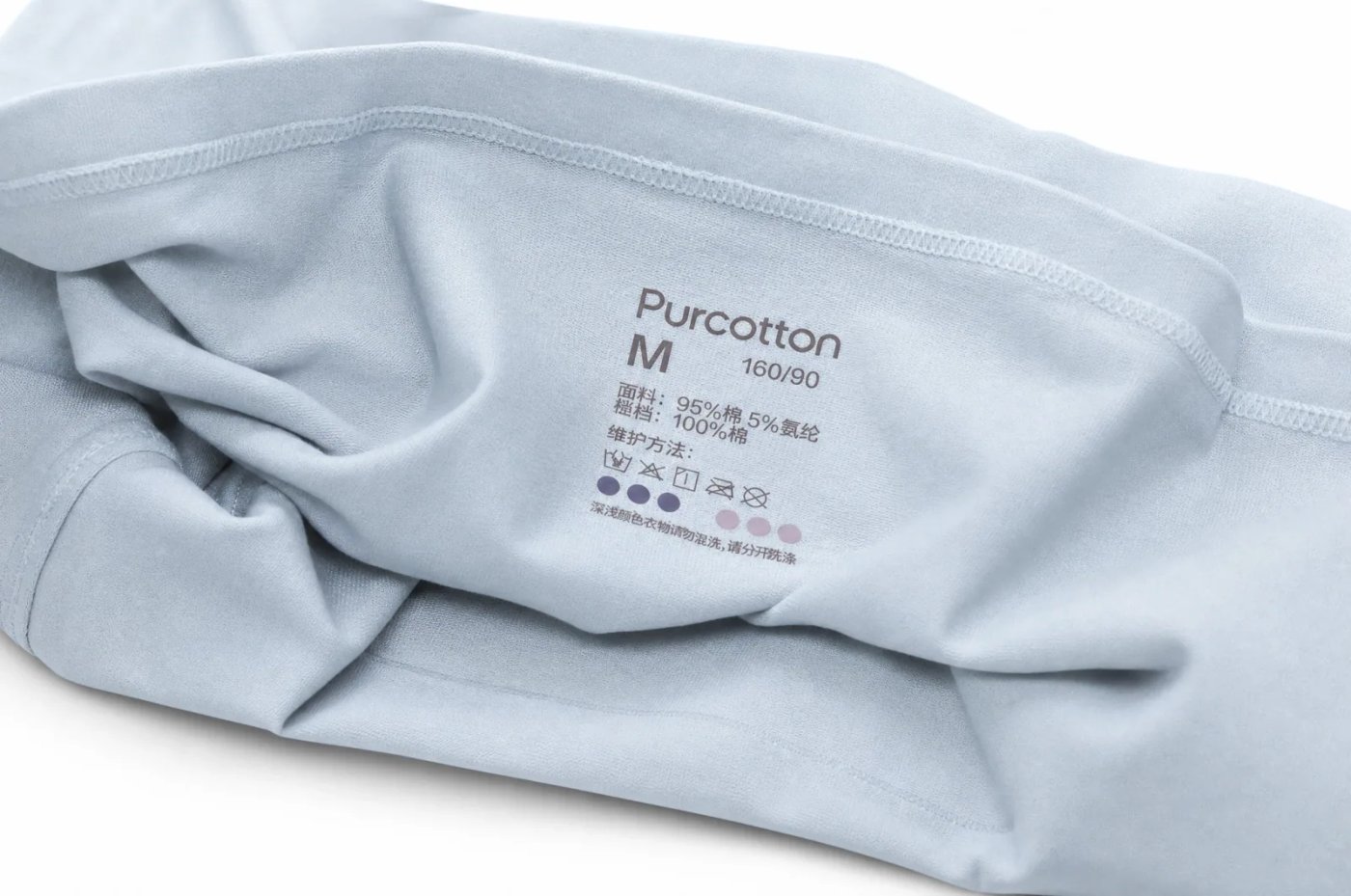
Check the care label, sort colours and leave room for the load to move. Use the detergent maker’s recommended dose instead of adding extra product; residue can make loops feel stiff and can reduce absorbency. A normal or gentle cycle at the label’s temperature is the safe starting point for cotton, while towels with trims, blends or special finishes need their own instructions.
Vossen recommends washing its terry towels at no more than 40°C, advises avoiding excessive dryer temperatures and says not to use softener during the first ten washes of new terry towels. Vossen care instructions
Shinto Towel recommends washing at up to 40°C for its construction, avoiding chlorine bleach and limiting fabric softener because coatings can harm cotton fibres and absorbency. The same maker recommends a lower spin around 800 rpm for its towels, followed by gentle shaping and ventilated drying. Those figures are product-specific instructions, not a universal towel setting. Shinto Towel care guide
Why fabric softener can make towels less useful
Skip fabric softener when your priority is water absorption unless the towel manufacturer specifically instructs otherwise. Vossen, Shinto Towel and Crane & Canopy all warn that softener can leave a film or reduce absorbency. A towel can feel slicker while soaking up less water, which is a performance loss rather than improved softness. Crane & Canopy towel care
If a towel has accumulated residue, run the label-approved wash with the correct detergent dose and an extra rinse if the machine and care label permit it. Do not mix cleaning chemicals or improvise bleach treatments; follow the product instructions. A towel’s trim, colour and fibre content can change what is safe.
Dry towels fully without cooking the fibres
Dry towels as soon as the wash ends and spread them in a well-ventilated place, or tumble-dry at the low or gentle setting allowed by the label. Shinto Towel says to hang washed towels in a shady, ventilated area and to use low heat when tumble drying. Shinto Towel drying guidance
Shake the towel out and pull it into shape before drying. Avoid hooks that put concentrated strain on a narrow loop; Crane & Canopy recommends handling the towel loop carefully. Remove the towel when dry rather than leaving it hot in the drum. Over-drying can make cotton feel rough and adds unnecessary heat exposure.
A simple routine for soft, functional towels
- Hang the towel fully open after every use.
- Wash bath towels after three to four uses; wash hand and dish towels every two days or sooner when damp or soiled.
- Sort colours, avoid overloading and use the label-approved cycle.
- Measure detergent; skip softener when absorbency matters.
- Dry promptly with airflow or low heat, then store completely dry.
The routine is more reliable than chasing a single “best” temperature. For cotton terry, some makers permit warmer washing; for a specialty towel, trim, embroidery or loose weave, the label wins. If the care label conflicts with a general internet tip, follow the manufacturer.
When should a towel be replaced?
If a towel stays damp, first spread it fully, improve airflow and review the care routine. Replace it when thinning, tears or a persistent loss of drying performance remains after appropriate care. A sound towel that washes clean, dries fully and remains absorbent can stay in use.
For a related care question, read how often to wash bed sheets.
For home-textile brands
For home-textile brands, we can configure Leafclock for target wash-and-sun-dry or wash-and-tumble-dry cycles, or an intended replacement interval, using the towel’s actual care and use conditions. The wearer compares the changing functional area with its reference area and follows the product’s instruction. See home textiles applications or customization to discuss your product.
Frequently asked questions
How often should I wash bath towels?
Wash bath towels after 3–4 uses as a practical default, and sooner after exercise, swimming, visible soil or when the towel stays damp.
How often should I wash hand towels?
Wash hand towels about every 2 days, or sooner when they are damp, visibly soiled or shared heavily. Utah State University Extension lists every two days for hand and dish towels.
Should I use fabric softener on towels?
No, not when absorbency matters. Several towel manufacturers warn that softener leaves a film that reduces absorbency; follow your towel’s own care label if it gives different instructions.
What temperature should I use to wash towels?
Use the temperature on the care label, such as 40°C for some cotton towels. Specialty constructions require cooler washing; the manufacturer’s instruction controls.
How should I dry towels?
Dry them promptly and completely on a ventilated rack or the low/gentle tumble setting allowed by the label. Spread towels open after use so they do not remain damp between washes.