Bed sheets often last about 3–5 years as a planning range when regularly used, but replace them when thinning, tears, failed elastic, persistent pilling, or poor fit affects sleep. Keep a sound set longer, and use its care label plus washing and drying history to judge wear.
A useful lifespan range, not a deadline
Three to five years is a reasonable starting range for sheets used most nights, while condition is the better decision rule. Quince’s bedding care guide gives this range for regularly used sheets and lists thinning fabric, tears, loss of fitted-sheet grip and persistent pilling as practical replacement signals. Quince bedding care guide
The same calendar age can represent very different wear. A guest-room set might be washed 12 times in a year; a set on a nightly bed could be washed 52 times. Count use and care cycles alongside years owned. A sheet that has been washed weekly for three years has seen roughly 156 wash cycles; that is a useful maintenance record, not a universal failure point.
Check the fabric before you replace it
Inspect the places that carry the most tension and friction: the centre of the fitted sheet, corners, elastic casing and areas that rub against the mattress. Replace the set when a hole keeps enlarging, a seam opens after repair, or the fitted sheet repeatedly comes loose. A small loose hem is usually a repair decision, not a lifespan verdict.
Use this quick check:
| Signal | Keep or replace? | What to do |
|---|---|---|
| Slight colour change, sound fabric | Keep | Continue the care routine |
| Small loose hem, stable surrounding cloth | Repair | Stitch before the opening grows |
| Thinning patch, repeated tearing or holes | Replace | Recycle or repurpose where local services allow |
| Fitted sheet no longer grips the mattress | Replace or resize | Check mattress depth and elastic condition |
| Persistent pilling that changes comfort | Replace if it bothers you | Do not treat the calendar age alone as the reason |
Washing frequency affects useful life
Weekly washing is a practical default for a bed used every night. Utah State University Extension lists sheets and pillowcases as weekly laundry, while Purdue Extension says at least every two weeks; choose weekly when sleepers sweat heavily, the room is humid, pets share the bed or the bedding is visibly soiled. Utah State University Extension Purdue Extension
Washing more often does not require harsher treatment. Follow the sewn-in care label, avoid overloading the drum and dry the set fully. For silk, linen, bamboo viscose or blended fibres, the label’s temperature and drying instructions take priority over a generic cotton routine. High heat and repeated over-drying add avoidable stress, especially to elastic and delicate fibres.
What shortens a sheet’s life?
The fastest avoidable damage usually comes from care conditions, not a hidden date. Overloading increases rubbing and prevents thorough rinsing. Too much detergent leaves residue; chlorine bleach can weaken or discolour some fibres; high dryer heat can shrink fabric or fatigue elastic. Quince also advises avoiding fabric softener unless the product label specifically permits it because coating can alter breathability, absorbency and texture. Quince care instructions
Use a mild detergent at the label dose, leave enough room for the sheets to move, and choose a cool or warm cycle when the care label allows it. Remove the load promptly and dry it completely before folding or putting it back on the bed. Rotate two or three sets if possible: the rest period makes weekly laundering easier and reduces pressure on one set.
Why wash-count labels are not expiry dates
A laboratory or brand wash test answers a narrow question: how a specified material and construction performed after a specified routine. It cannot turn every home’s use into one exact replacement date. Your result depends on fibre, weave, finishing, detergent, water, machine action, drying and load size.
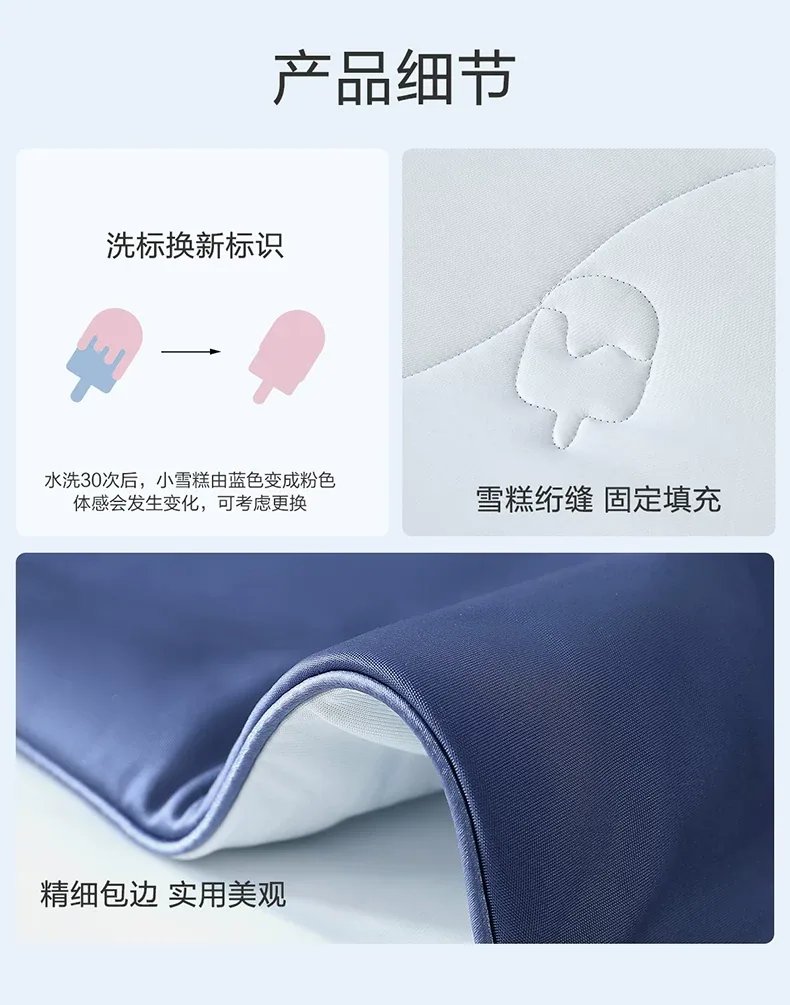
That is why a single number such as “replace after 100 washes” is a poor household rule unless it is tied to a clearly defined product test and condition. Use your own wash log as context, then decide from fit, fabric and comfort. A visible lifecycle cue on a textile can help a brand explain use stages, but it should complement the care label and a condition check rather than pretend to diagnose fabric failure.
For the related care-frequency answer, see how often to wash bed sheets.
For home-textile brands
If your bedding line has a target replacement interval, explain the expected care routine and visible condition signals together. Leafclock can be configured around that intended replacement interval and its wash or use cycle, including wash/sun-dry or wash/tumble-dry conditions, with a physical cue read against a reference area. See home textiles applications and customization for the brand-team route.
Frequently asked questions
How many years should bed sheets last?
Quince gives about 3–5 years as a useful planning range for regularly used sheets, but condition matters more than the calendar. Replace them when thinning, tears, failed elastic, persistent pilling or poor fit affects use.
How often should I wash bed sheets?
Wash sheets every 7 days when the bed is used every night. Choose a shorter interval for heavy sweating, humid conditions, pets or visible soil, and follow the product care label for the actual wash method.
Does washing every week wear sheets out faster?
Yes. Every wash adds some wear, so use the care-label cycle, the correct detergent dose and complete drying; also avoid leaving body oils and moisture in the fibres. Avoid overloading, excess detergent and unnecessary high heat.
Should I replace sheets after a fixed number of washes?
No. A wash count describes a product test or your own record, not a universal expiry point. Inspect fit, thinning, seams, holes and comfort before deciding.
Check pillow covers and inserts separately from sheets. See when to replace pillowcases and pillows for component-specific care and replacement guidance.