Wash leggings after 1 sweaty workout, using the method on that pair’s care label. For ordinary machine-washable synthetic leggings, choose cold water, a gentle cycle and a measured detergent dose; turn them inside out and skip fabric softener. Air dry promptly, or use the permitted dryer setting when the garment specifically allows it.
Choose the routine from the label
Use the instructions on the actual pair before choosing a temperature, cycle or drying method. A general activewear routine works for many synthetic leggings, while wool blends, coatings and special linings need their own care route.
| What you find | What to do next | What changes the routine |
|---|---|---|
| Machine-washable synthetic leggings | Start with cold water and a gentle cycle; sort by color and fabric | Follow any more specific garment instruction |
| Hand-wash-only label | Use a basin and gentle hand washing | A machine’s program name does not override the label |
| Wool blend, coating or special lining | Use the material-specific detergent and wash/dry instructions | Ask the maker if the label is missing or unclear |
| Tumble drying permitted | Use the stated setting, or choose air drying | A low-heat option is still a dryer treatment |
| Dry flat or hang dry specified | Arrange on a rack as directed | Keep away from direct heat |
Maytag’s leggings guide distinguishes ordinary synthetic pairs from wool, fleece-lined and coated styles. Treat “leggings” as a garment shape, not a single fabric recipe.
Wash leggings in six steps
Build the routine around removing sweat and soil while limiting unnecessary rubbing.
- Deal with sweat before the hamper. Wash sweaty leggings after the workout. If washing must wait, spread them out to air rather than leaving them bundled in a closed gym bag. Airing is the waiting step; washing is the cleaning step. Nike’s care guide recommends washing or airing after exercise.
- Empty pockets and turn inside out. This exposes the inner surface to the wash and helps protect the outer finish. Keep keys, tissues and other loose objects out of the load.
- Sort by color and surface. Wash with soft, similar fabrics and colors. Keep towels, lint-shedding cottons and abrasive items in another load; separate exposed hooks or fasteners that could catch the fabric. lululemon’s general care advice specifically separates technical garments from cotton fabrics and towels.
- Treat a visible mark before the full wash. Choose a laundry pretreatment allowed for the fabric, follow its directions and check an inconspicuous area first. Give the marked area attention before drying it. Avoid turning an entire pair into a chemical experiment for one spot.
- Measure detergent and select the allowed cycle. Use a laundry detergent suitable for the garment and washer. For ordinary washable synthetic leggings, cold water and a gentle cycle are a practical starting point. Leave room for the load to move; follow the washer’s loading guidance.
- Remove promptly and dry completely. Take the leggings out at the end of the cycle, reshape gently and arrange for drying. Check thicker seams and the waistband before folding them away.
The Whirlpool washing guide also uses inside-out washing, cold gentle care and air drying as its core sequence. Keep a specific label’s temperature and drying instructions in charge of your pair.
How much detergent should you use?
Measure the dose for the actual load, soil level and water hardness instead of automatically filling a cap or halving every product’s instructions.
Nike recommends powder and half the usual amount in its leggings guide. That advice highlights residue risk, but “usual amount” has no fixed volume. Detergent concentration, the size of the load and the water supply change the dose. The American Cleaning Institute’s laundry basics explains that both too much and too little detergent can reduce cleaning quality.
Use the detergent’s dosing chart and the washer’s dispenser instructions together. For a small load, select the chart’s small-load dose. For hard water or heavier soil, follow the corresponding adjustment. With an automatic dispenser, check the configured concentration before adding a second dose manually.
If powder leaves streaks, review dissolution, loading and water conditions; a compatible liquid is another option. ACI identifies undissolved powder and some hard-water interactions as causes of residue in its laundering troubleshooting guide.
Skip fabric softener on technical leggings. lululemon warns that it can interfere with fabric performance. Fragrance is also a poor way to judge whether sweat and soil have been removed: assess the dry garment after the wash.
Air drying versus tumble drying
Choose air drying as the default, and use a dryer only when the specific garment permits it.
There is a useful distinction within lululemon’s own advice. Its general help page recommends hanging items to dry. The checked Align High-Rise Pant 28-inch product page lists cold machine washing and low tumble drying. That permission belongs to the listed product; check the label on your own pair, including older versions.
For air drying, support the fabric on a rack and follow any flat-dry instruction. Spread the legs out instead of leaving them folded into a damp bundle. After hand washing, press water out gently or use a towel to absorb it; avoid twisting the legs into a rope. Keep the garment away from a radiator or other direct heat source.
A fixed drying time is unhelpful because fabric thickness, airflow and room conditions vary. The practical finish line is a dry waistband and dry seams as well as dry leg panels.
When leggings still smell after washing
Check the washing process before increasing heat or adding more products.
| What you notice | First action | Next check |
|---|---|---|
| Odor after a crowded wash | Rewash a smaller, properly dosed load within the care instructions | Did detergent reach the fabric and rinse away? |
| Slippery feel or visible residue | Check the dose and dispenser; use an extra rinse if needed | Is the product suitable for the washer and fabric? |
| One persistent oily or marked area | Apply a compatible pretreatment as directed, then wash | Inspect the area before drying |
| A musty load left wet in the washer | Rewash and remove promptly | Arrange enough airflow to finish drying |
| Several kinds of laundry smell | Check washer maintenance instructions | Inspect and clean the specified dispenser, seal or filter areas |
Maytag recommends reviewing load size, detergent dose and rinsing when odors remain. ACI’s troubleshooting guidance likewise connects poor soil removal with insufficient detergent and overloading. Choose the row that matches the problem; “more detergent” and “less detergent” solve different failures.
If the routine still fails, ask the garment maker about a suitable odor treatment for that fabric. Keep any increase in temperature within the care label. Household vinegar, baking soda or disinfectant mixtures are unnecessary additions to the basic routine above.
Hand washing, pilling and changes in stretch
Hand wash when the label requires it, and inspect surface wear separately from fit.
For hand washing, dissolve a suitable detergent in cool water, gently work the solution through the leggings, then rinse with clean water. Follow the garment and detergent instructions for soaking. Press out water, reshape and dry as directed.
Reduce rubbing by keeping leggings with soft compatible items and turning them inside out. Small pills alone are a surface observation; check the seams, coverage and waistband in movement before making a replacement decision. A cleaner smell answers a cleaning question, while persistent slipping or thinning needs a fit-and-wear check.
After washing and drying, use the sports-bra and leggings replacement checklist if the pair still slips, becomes sheer where it used to cover, or has failing seams.
Frequently asked questions
Should I wash leggings after every workout?
Yes. Wash after a sweaty workout; air them out if washing must wait. For brief, non-sweaty wear, check for soil and odor before deciding to wear them again.
Can I put leggings in the dryer on low?
Yes, if that pair’s care label permits low tumble drying. Use air drying when the label requires it or the drying permission is unclear.
Should I use half the detergent for every leggings load?
No. Follow the detergent’s dose for the load, soil level and water hardness. A brand’s reduced-dose suggestion should not replace the instructions for a different product or washing setup.
For activewear brand teams: make the care route part of the reminder
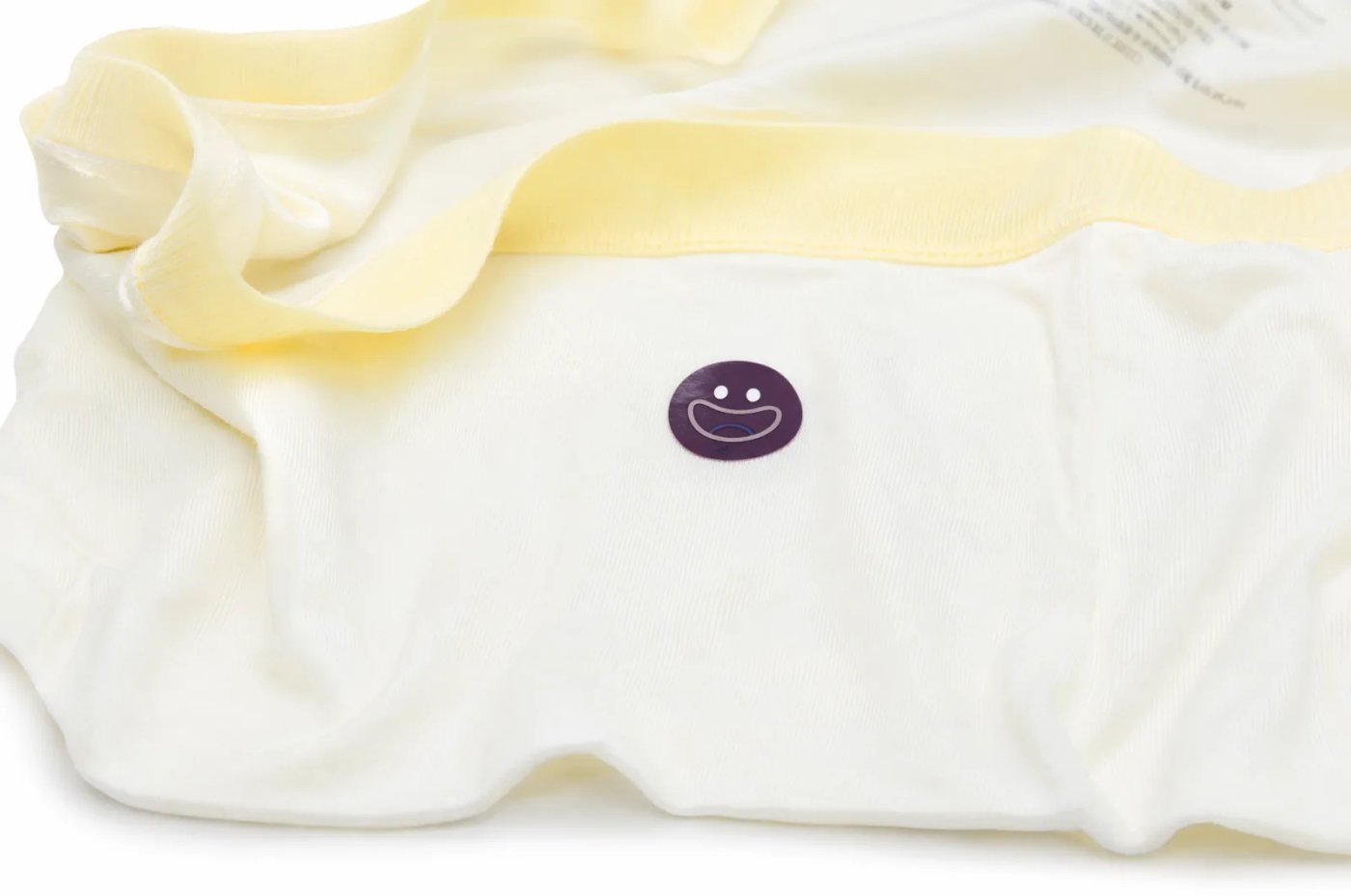
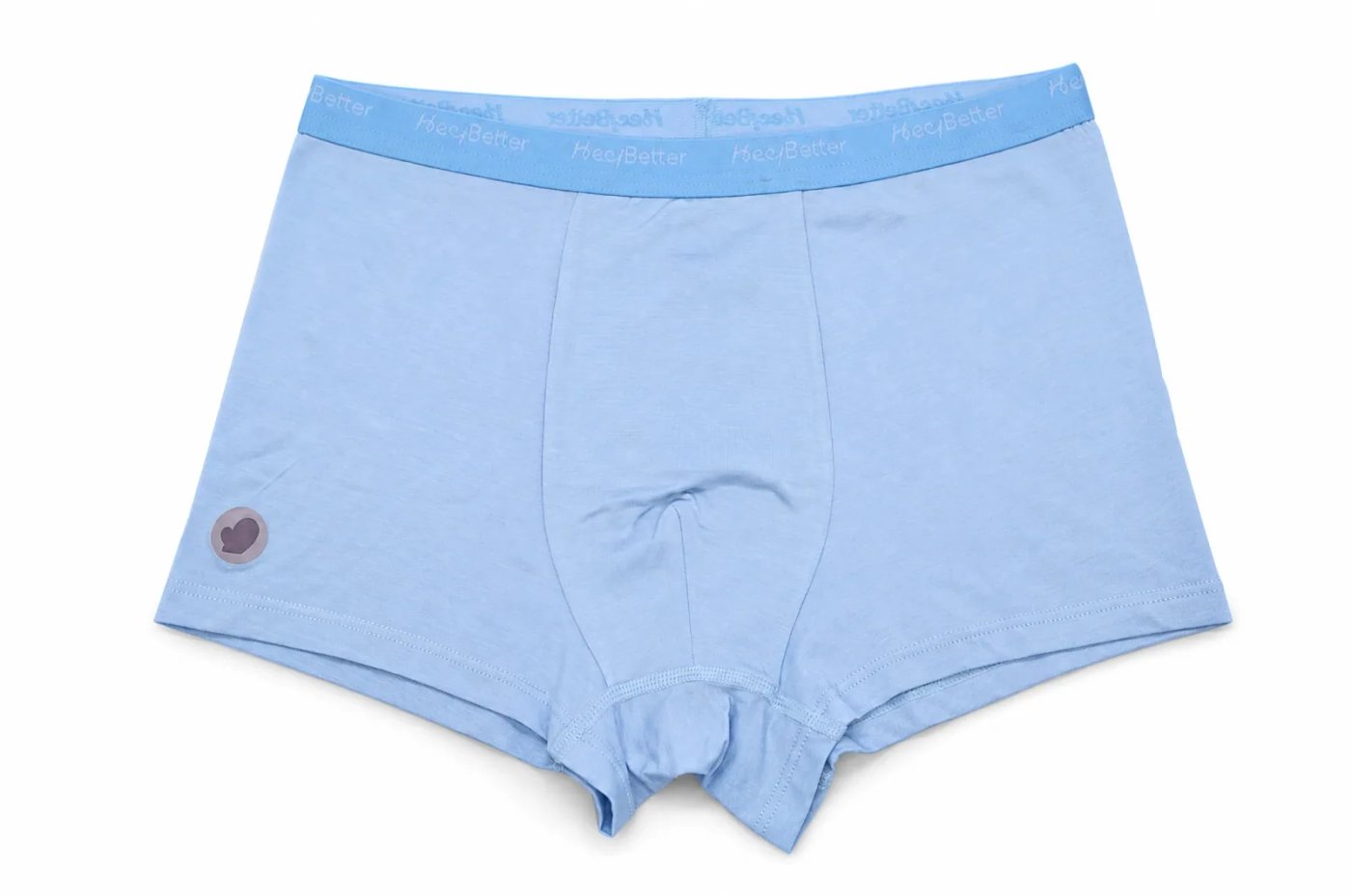
Leafclock’s physical indicator gives customers a visible replacement cue by comparing its changing functional area with a reference area. We configure it for target wash-and-sun-dry or wash-and-tumble-dry cycles, or an intended replacement interval, using the garment’s care routine, use frequency and environment as inputs.
The cue communicates a configured replacement point; checks of cleanliness, fit and fabric condition remain separate. Share your intended care route and target interval through Leafclock customization to discuss a suitable configuration.