Care & replacement guidance
Explain replacement timing for the textiles your brand sells.
Leafclock Journal
Research, regulatory context, and practical guidance for brands building more transparent textile products.
Explain replacement timing for the textiles your brand sells.
Understand the signal and plan a product evaluation.
Prepare a sourcing brief and review production fit.
Compare physical signals, digital records, and sensing systems.
Find the right topic
Search titles and article body content, or browse articles by the product environments Leafclock is most often evaluated for.
Article
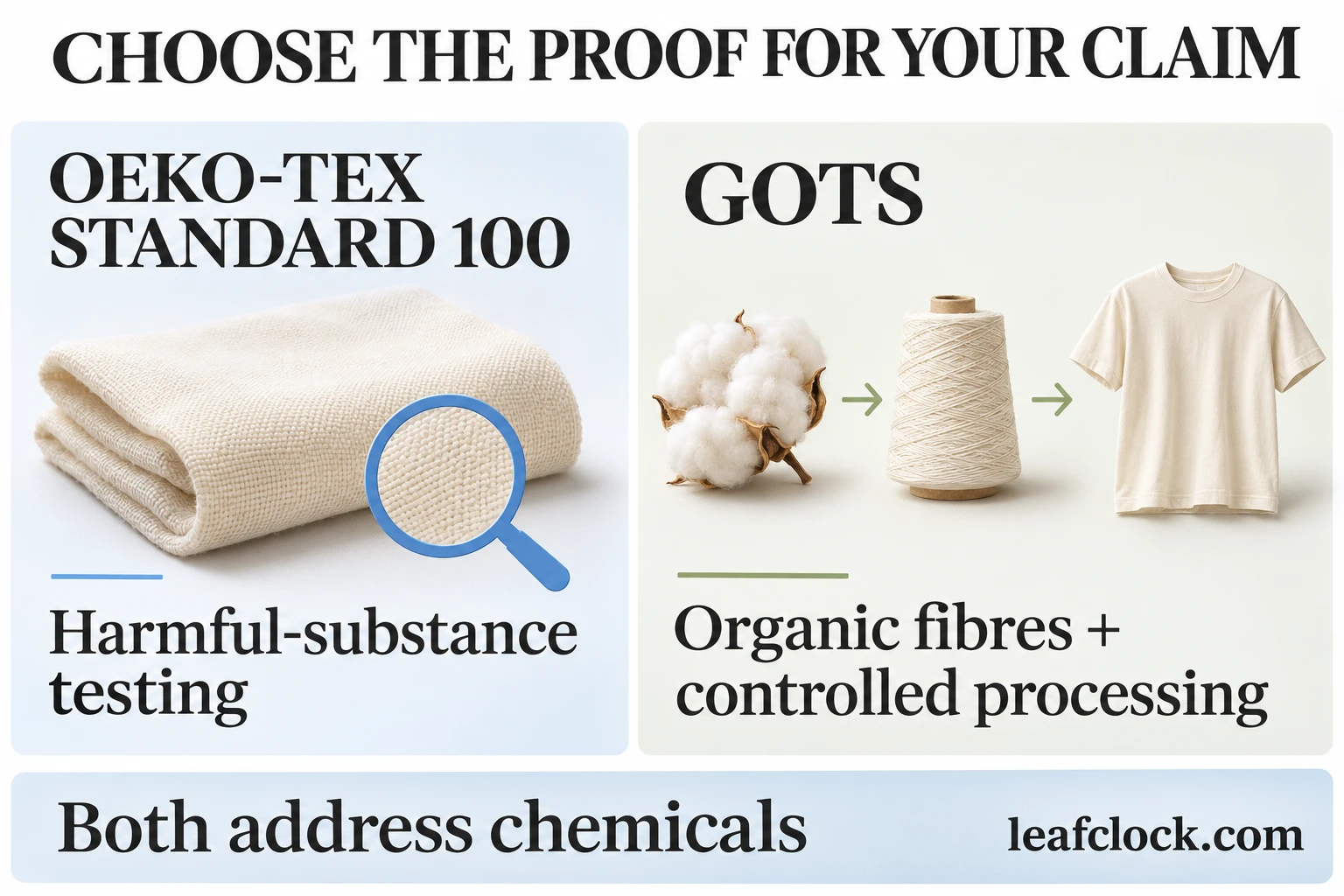
Match textile certification to the claim you need: harmful-substance testing, organic processing or both. Then check the exact product and its purchase documents.
Article
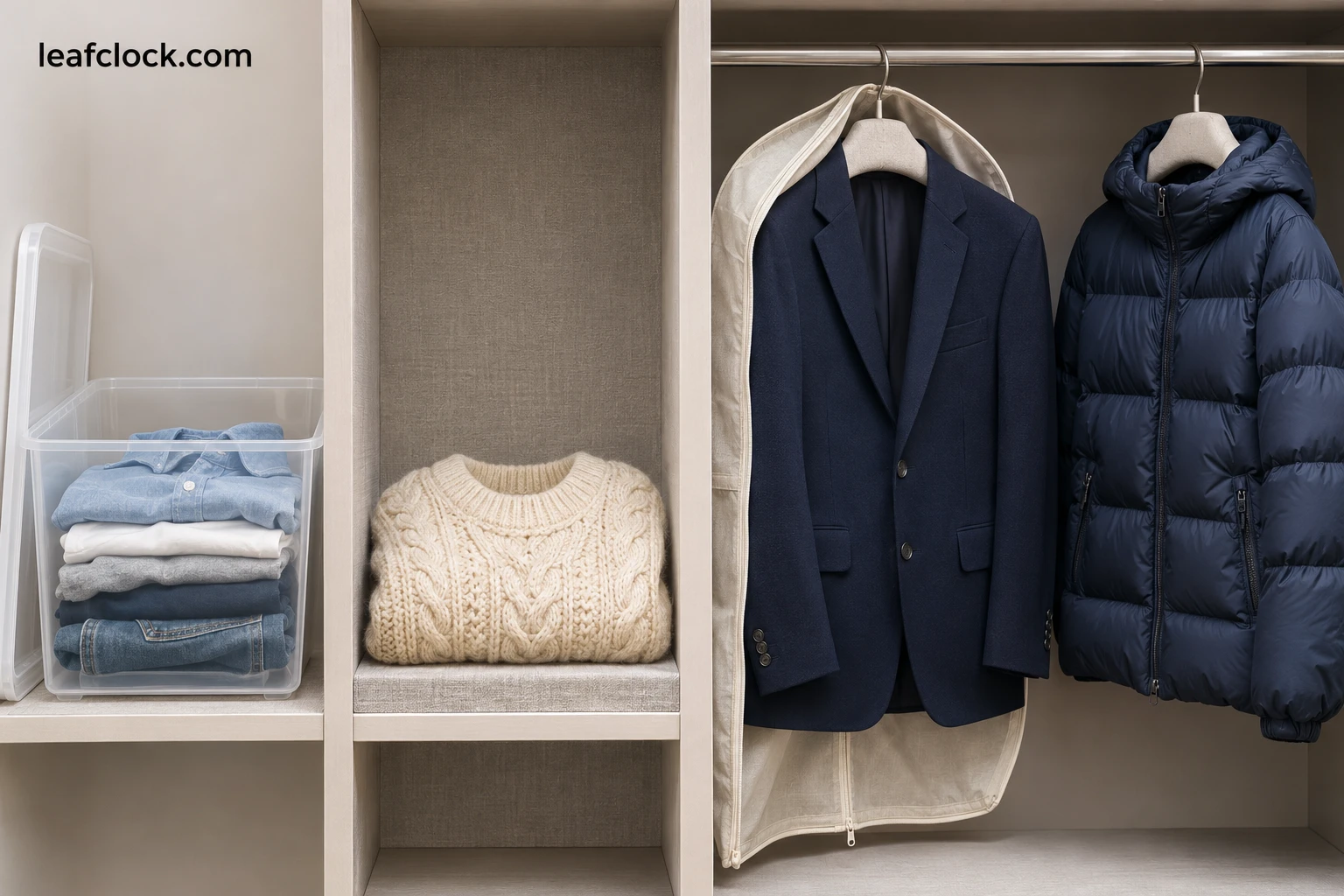
To store clothes long term, make 5 decisions before packing: clean each garment as its label permits, dry it fully, choose a cool and dry location, support its shape, and select a suitable container. Keep stored clothing out of light and inspect it periodically; elapsed time alone cannot tell you whether it is ready to wear.

Intimate Apparel
Learn how to decide when bras need replacing by checking fit, support, elastic, seams, straps, cups and wires instead of relying on age alone.
Uniforms
Plan ordinary work-uniform replacement with source-specific timing references, condition checks and care records; keep PPE decisions under the issuer’s and manufacturer’s criteria.
Page 2 of 5
Article
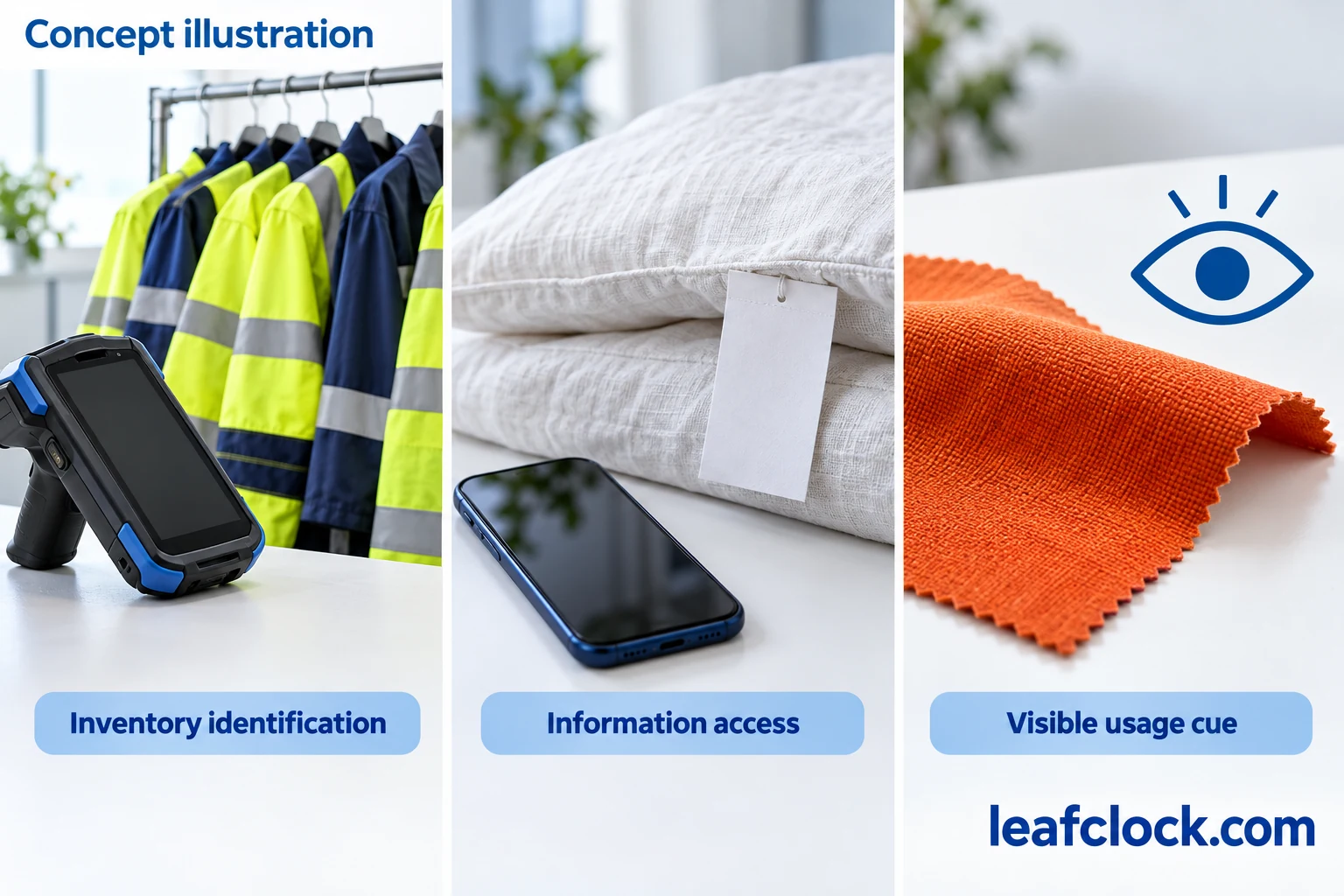
Compare what RFID, NFC and visible cues do on finished textiles. Choose the right way to identify stock, open a service page or prompt replacement.
Article
Define how the textile fails and what the customer does with it before turning test results into a durability claim.
Article
Budget for textile service delivered. A low purchase price can hide a high cost when many items leave use early.
Article
Prepare records for textile Digital Product Passports and test the data carrier and an on-garment replacement cue separately on the finished product.

Article
Before piloting a textile lifecycle label, make 3 decisions about the component, the finished garment and the reader’s action. Ask the supplier to identify the exact label construction and provide an installed sample. Set separate acceptance criteria for the component documentation, the attachment and what users should understand when they see the cue.
Article
Keep apparel records useful from sourcing to retirement. Assign owners for material, quality, service and destination records and know when item tracking matters.
Article
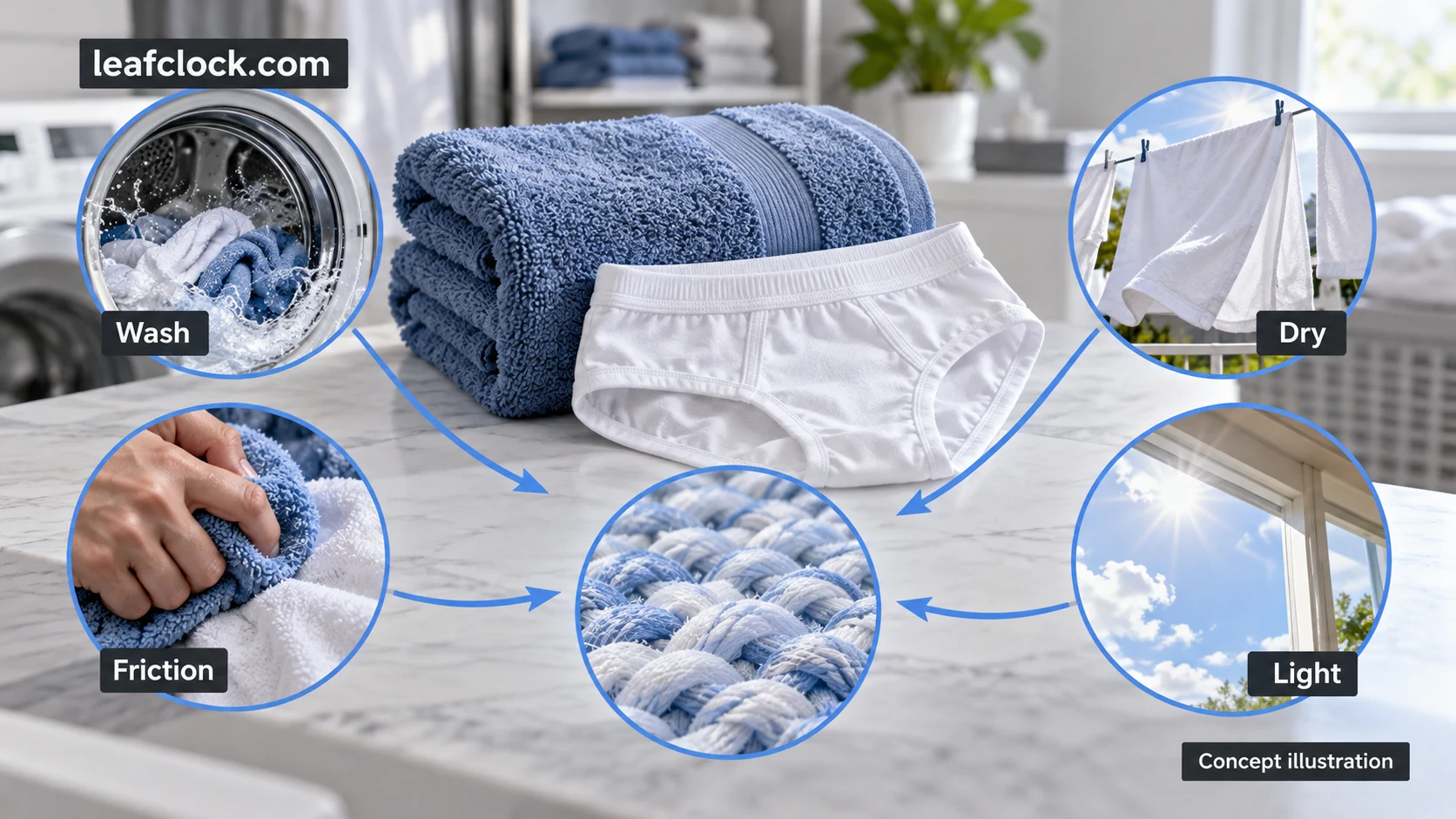
Choose between a care label, a visible inspection cue and an item record by matching each tool to the decision it supports.
Article
Set a product-specific underwear replacement or inspection target from fit, materials, care and intended use—without a universal hygiene expiry.